EN
EN  中文简体
中文简体 Español
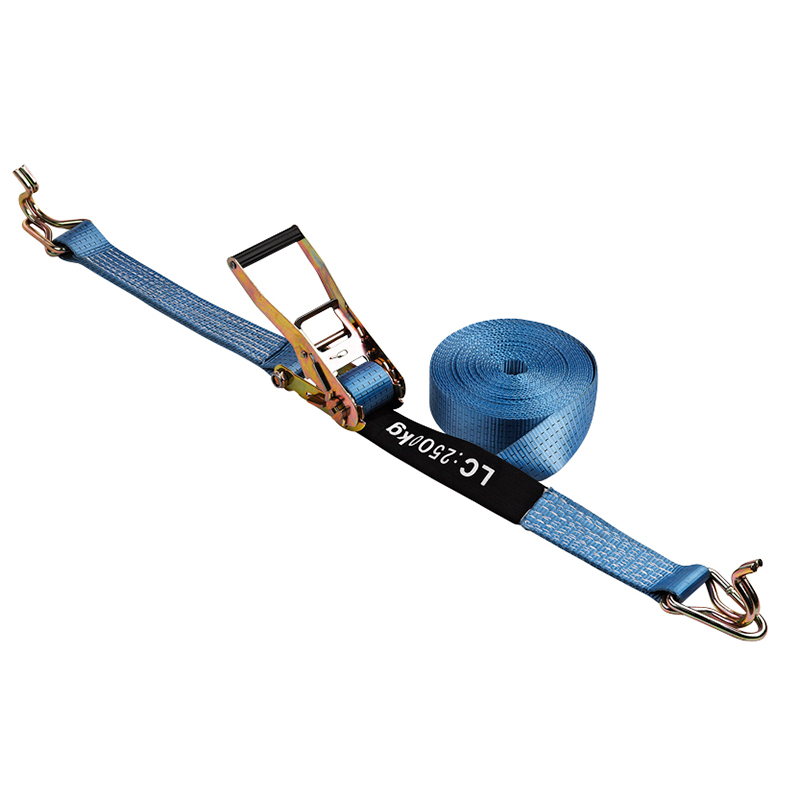
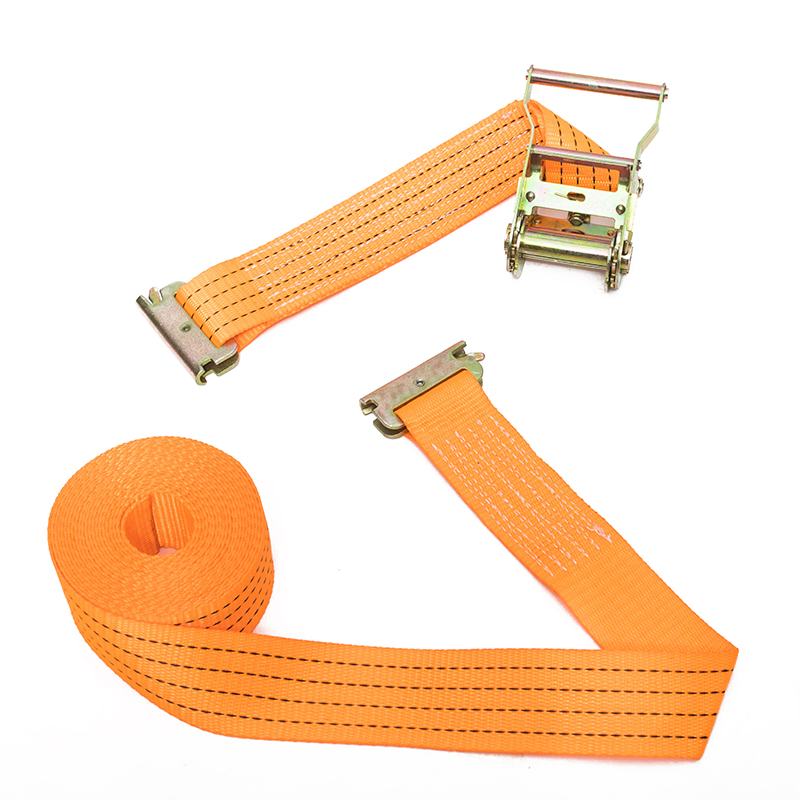
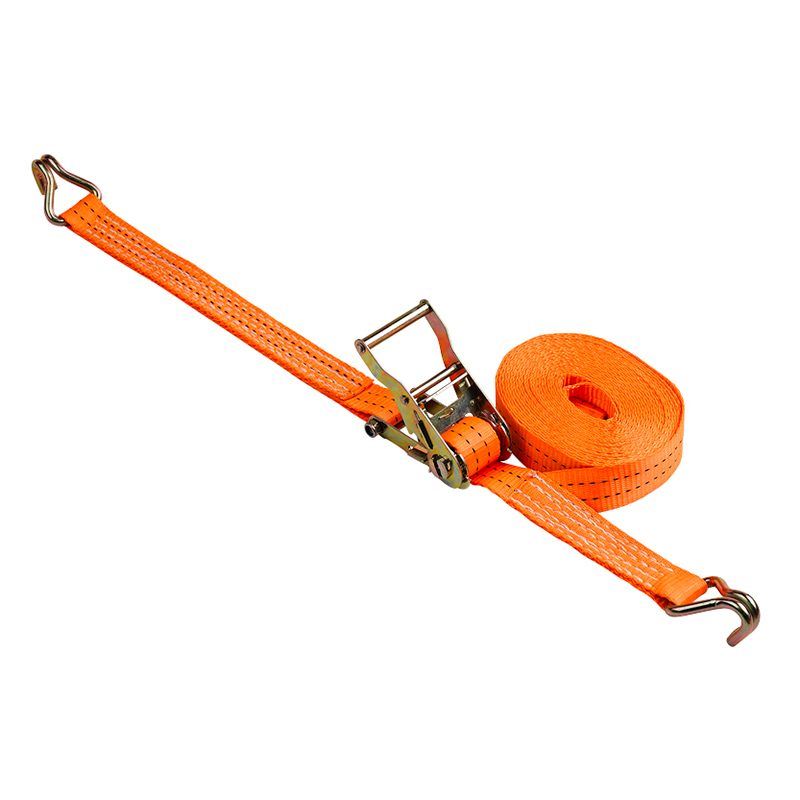
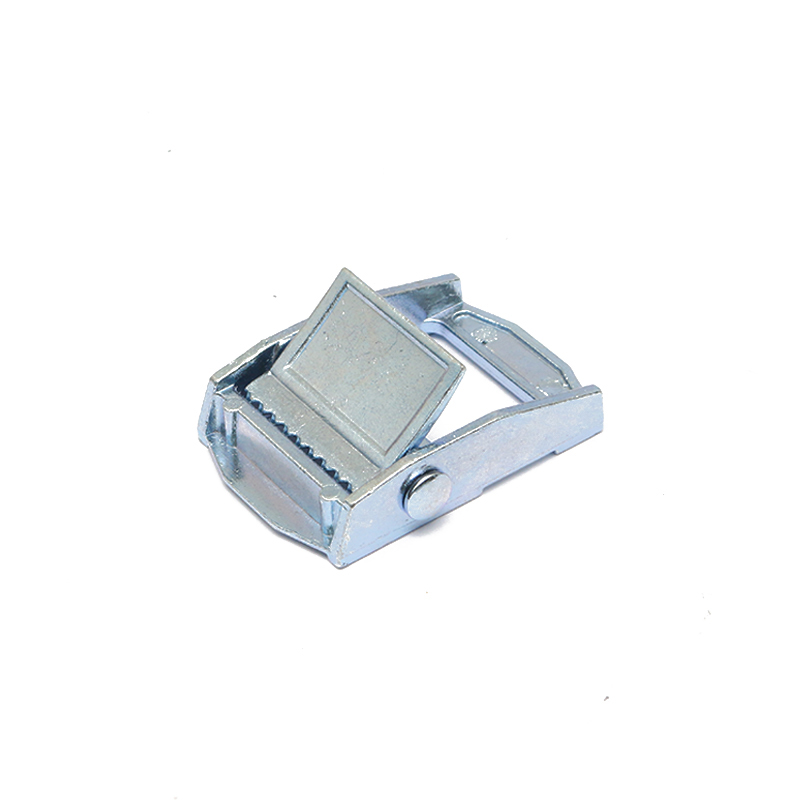
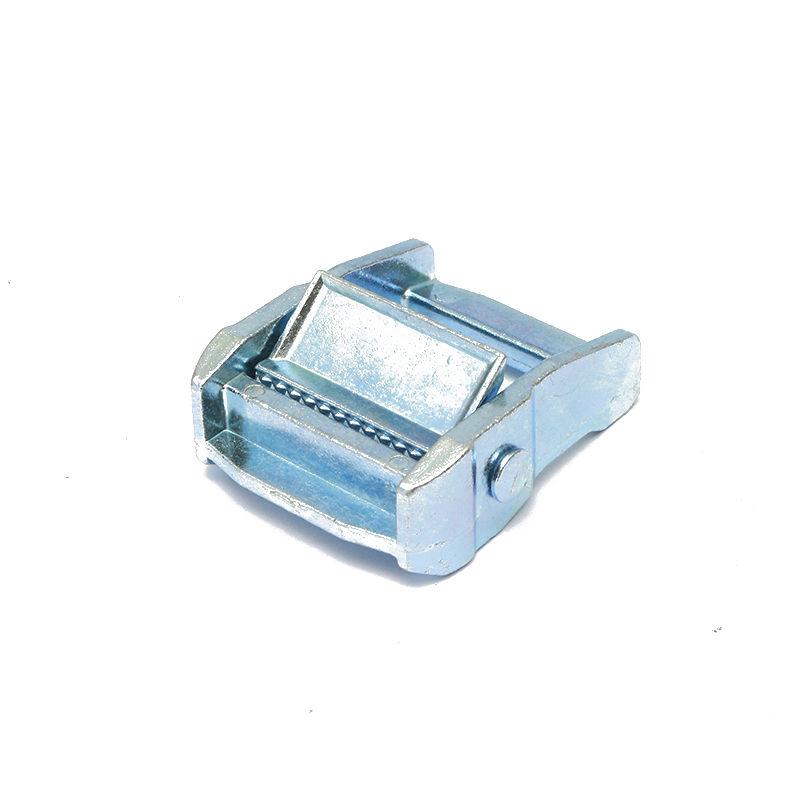
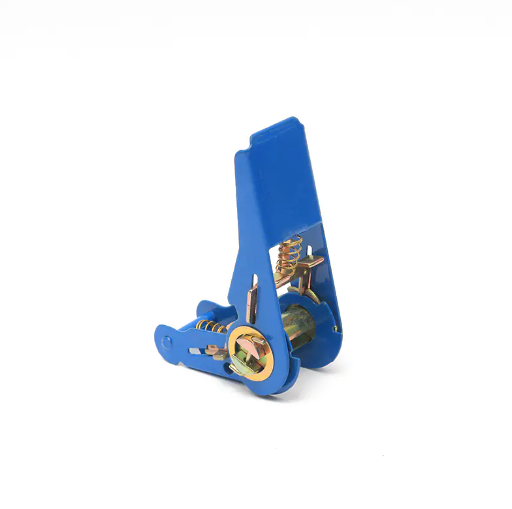
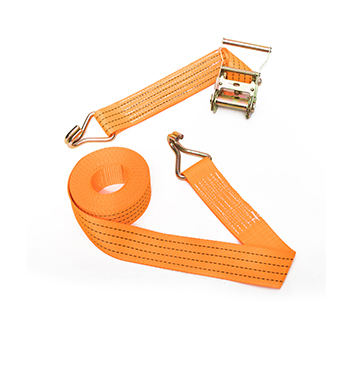
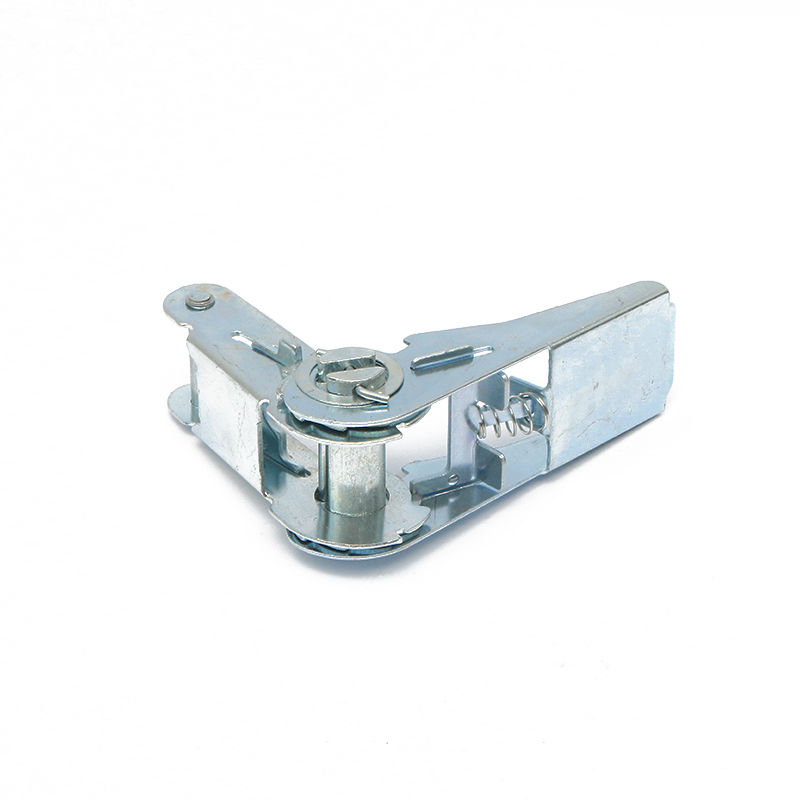
Cat:2 Inch Metal Ratchet Buckle
Country of origin Ningbo China Model number QJR-053 Use Tiedown straps/cargo strap Color Yellow Material Steel Dimension 2 inch 50mm Br...
See Details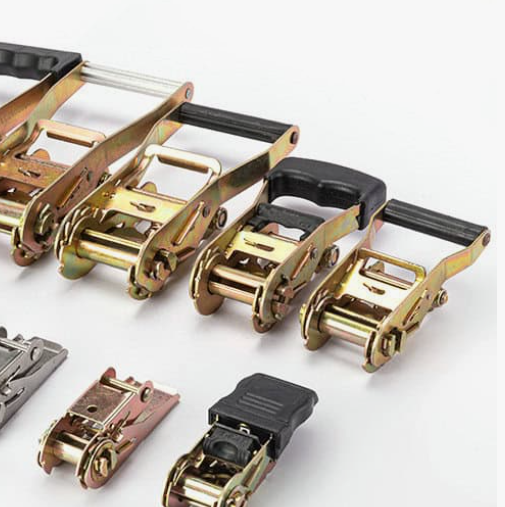
Content
The majority of metal ratchet buckle problems are caused by improper load selection, corrosion, lack of maintenance, or worn internal components. Over 70% of operational failures are linked to overload or poor maintenance, not manufacturing defects. Identifying early warning signs and applying correct fixes can extend service life by 2–3 years.
Below are the most common issues encountered in cargo control applications and the practical solutions used in trucking, logistics, and industrial environments.
Clean the internal gears using compressed air and apply light machine oil. If rust is visible, use a rust penetrant spray. If the buckle was overloaded, release tension gradually using proper release technique rather than forcing the handle.
Preventive maintenance every 3–6 months significantly reduces this issue.
Slipping is a serious safety risk. If teeth show rounding or visible deformation, replacement is required immediately. Never attempt to weld or repair damaged gears, as this compromises structural integrity.
Metal ratchet buckles exposed to outdoor environments are prone to corrosion, especially in coastal or humid regions.
| Material Type | Corrosion Resistance | Typical Lifespan (Outdoor Use) |
|---|---|---|
| Painted Steel | Low | 1–2 Years |
| Galvanized Steel | Medium | 3–5 Years |
| Stainless Steel | High | 5+ Years |
Upgrading to galvanized or stainless steel buckles can reduce replacement frequency by up to 50%.
Frame bending typically occurs when loads exceed the Working Load Limit (WLL) or when dynamic shock loads occur during transport.
If deformation is visible, the buckle must be removed from service immediately. Structural damage reduces load capacity by an estimated 30–60%.
Before every use and formally every 3 months in heavy-duty applications.
Common WLL ranges from 800 kg to 5,000 kg depending on buckle size and strap width.
No. Structural or gear damage requires full replacement to ensure safety.
Possible causes include worn gears, insufficient tension, or dynamic load shifts during transport.
Yes, especially in marine or humid environments where corrosion risk is high.
Replace immediately if you observe cracks, bent frames, severe rust, or gear slippage.
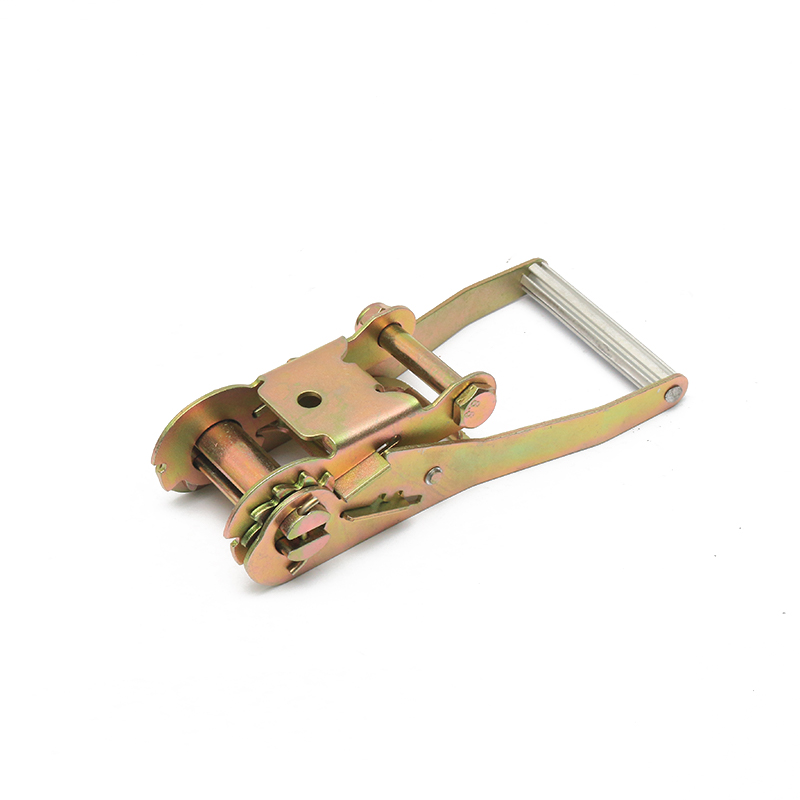
Country of origin Ningbo China Model number QJR-053 Use Tiedown straps/cargo strap Color Yellow Material Steel Dimension 2 inch 50mm Br...
See DetailsNo.2 new District Minglun Village,Wuxiang Town,Yinzhou District

Tel: +86 18658447778

E-mail: [email protected]