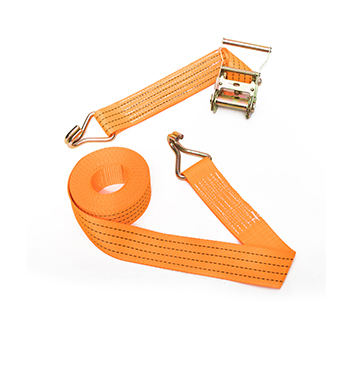
Tie-down straps are one of the most common and crucial securing tools in logistics, construction, and daily cargo handling. Many people only focus on whether the goods are "tied down," but neglect whether the type, strength, and usage of the tie-down straps are correct. In reality, improper use of tie-down straps during transportation can lead to damaged goods at best, and serious traffic accidents and safety hazards at worst.
1. Common Situations of Incorrect Tie-Down Strap Use
In actual transportation, improper use of tie-down straps is very common. Common problems include choosing tie-down straps with insufficient load capacity, using types unsuitable for heavy goods, incorrect strapping methods, or continuing to use tie-down straps that are already aged and worn. For example, using bungee cords to secure heavy equipment, or using lightweight cam buckle tie-down straps instead of ratchet tie-down straps, are all high-risk behaviors.
In addition, failure to properly tighten the tie-down straps, failure to lock the buckles, or failure to re-check them during transportation can easily lead to a gradual weakening of the binding force, creating a hidden danger for accidents.
2. Direct Impact on Cargo Safety
The most direct consequence of using tie-down straps incorrectly is the shifting, tipping, or falling of goods. When transporting goods on trucks, trailers, or roof racks, the acceleration, braking, and turning of the vehicle all generate inertial forces. If the tie-down straps cannot provide sufficient securing force, the goods will constantly move during transportation, leading to damaged packaging, deformed goods, or even falling directly from the vehicle.
For precision equipment, building materials, or fragile items, even slight shaking can cause irreversible damage and economic losses.
3. Potential Threats to Personnel and Traffic Safety
Compared to cargo damage, the more serious risk lies in personnel and traffic safety. If goods fall onto the road during transit, it is highly likely to cause rear-end collisions or other accidents. On highways, the consequences of such accidents are often very serious.
During loading and unloading, if the tie-down straps suddenly break or the buckles fail, the rebounding straps can injure operators, even causing fractures or other accidents. Therefore, using the wrong type of tie-down strap is not only a transportation problem, but also a safety issue.
4. Applicable Risks of Different Types of Tie-Down Straps
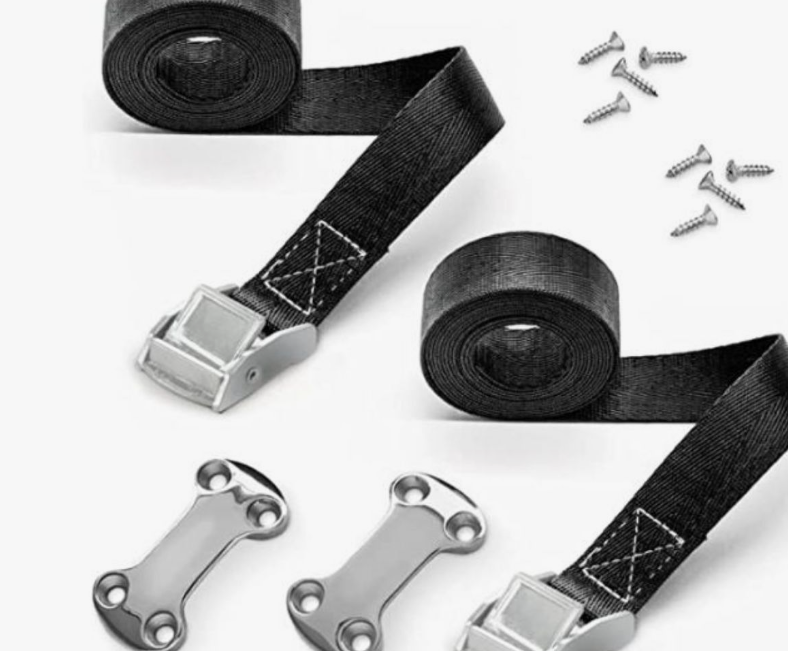
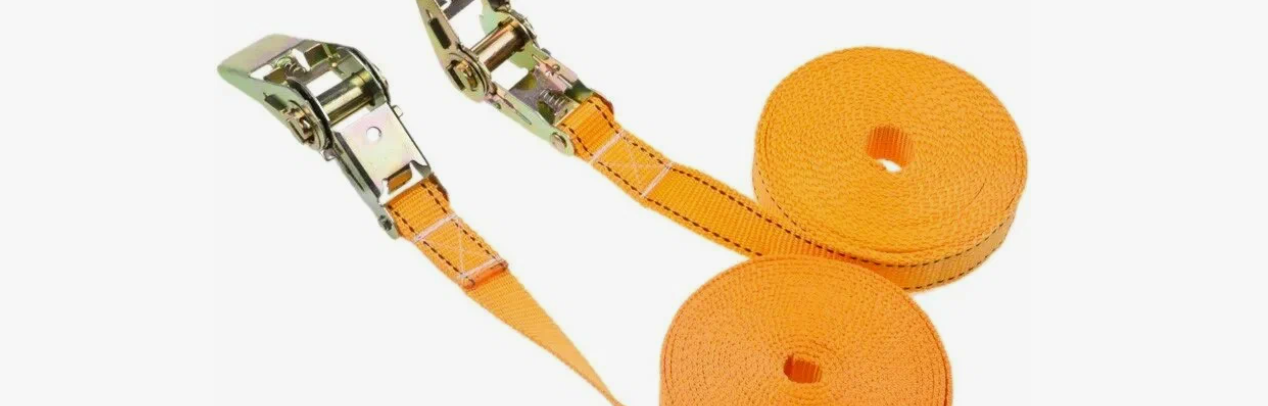
There are various types of tie-down straps on the market, each with different applications. Cam buckle tie-down straps are suitable for light or medium-weight goods. Their advantage is ease of use, but their locking force is limited. If incorrectly used to secure heavy goods, they are highly likely to loosen on bumpy roads.
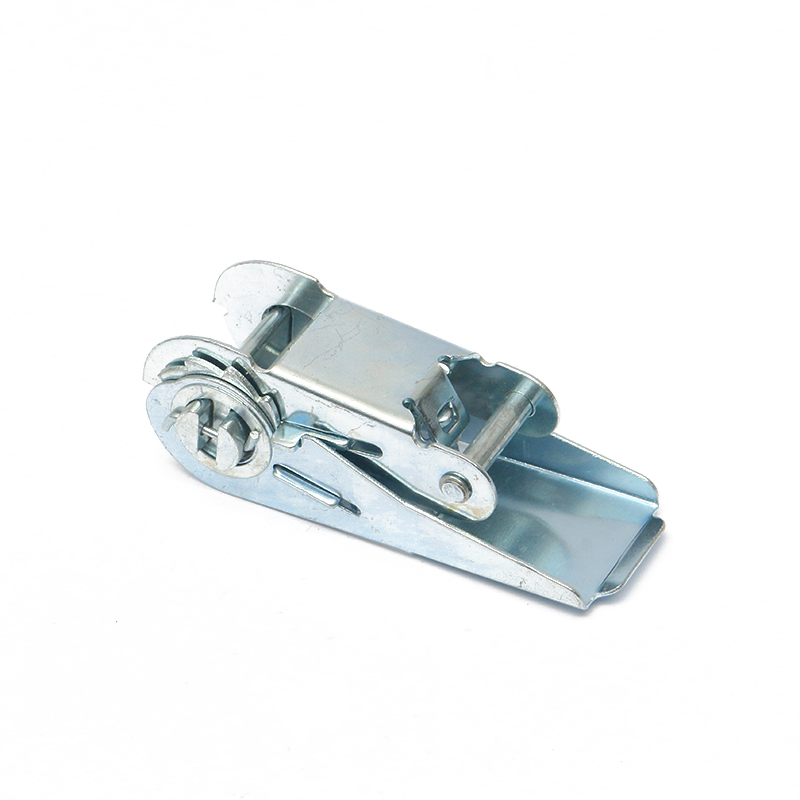
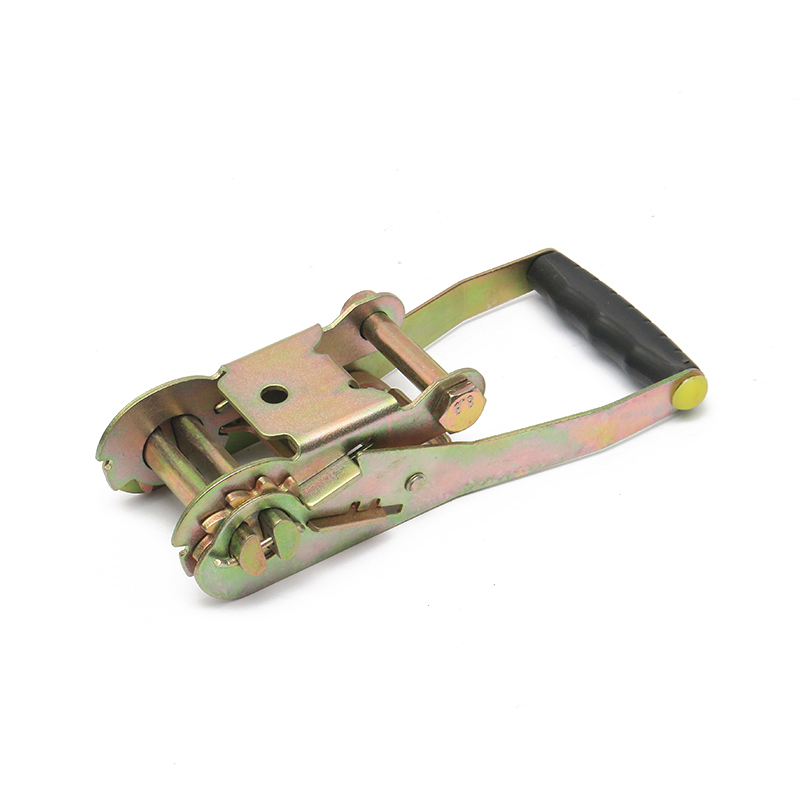
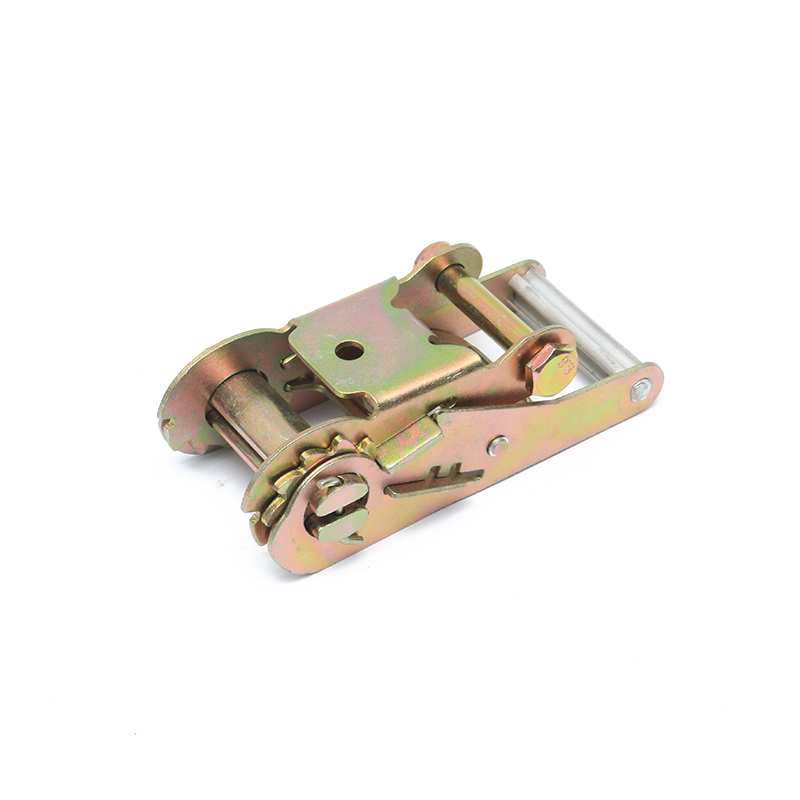
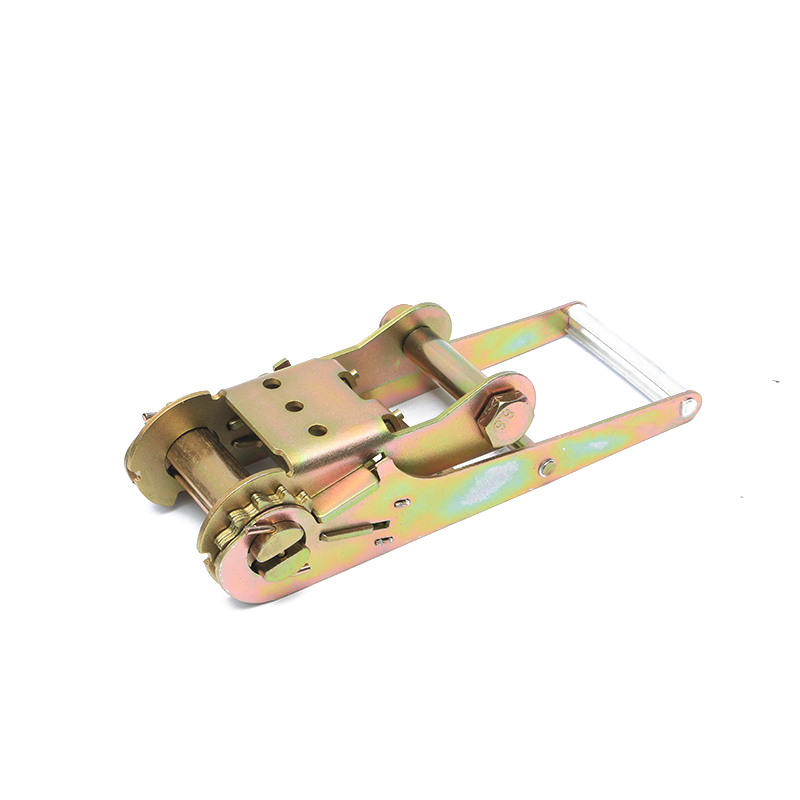
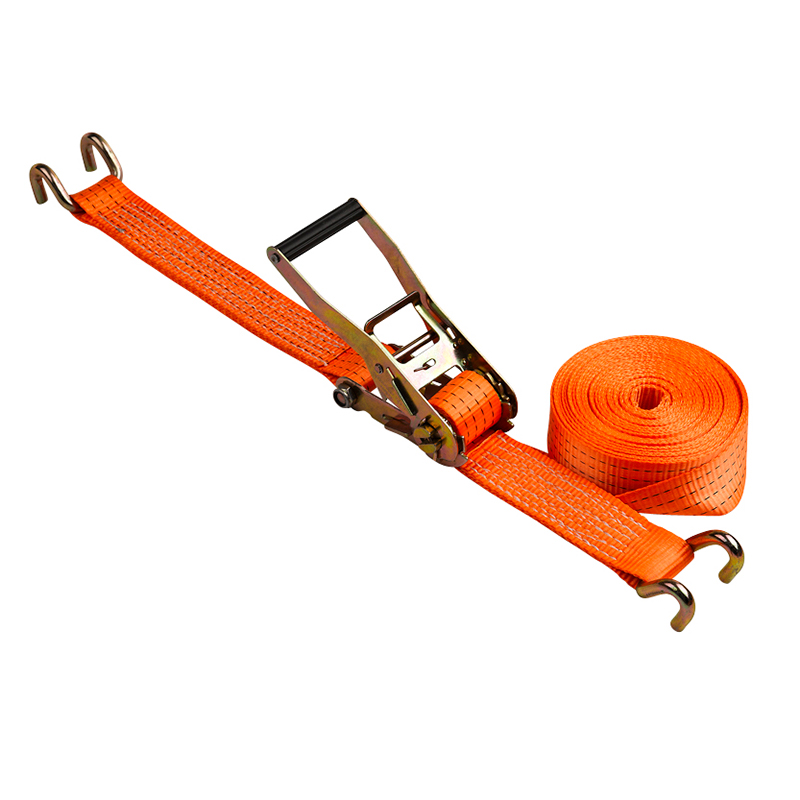
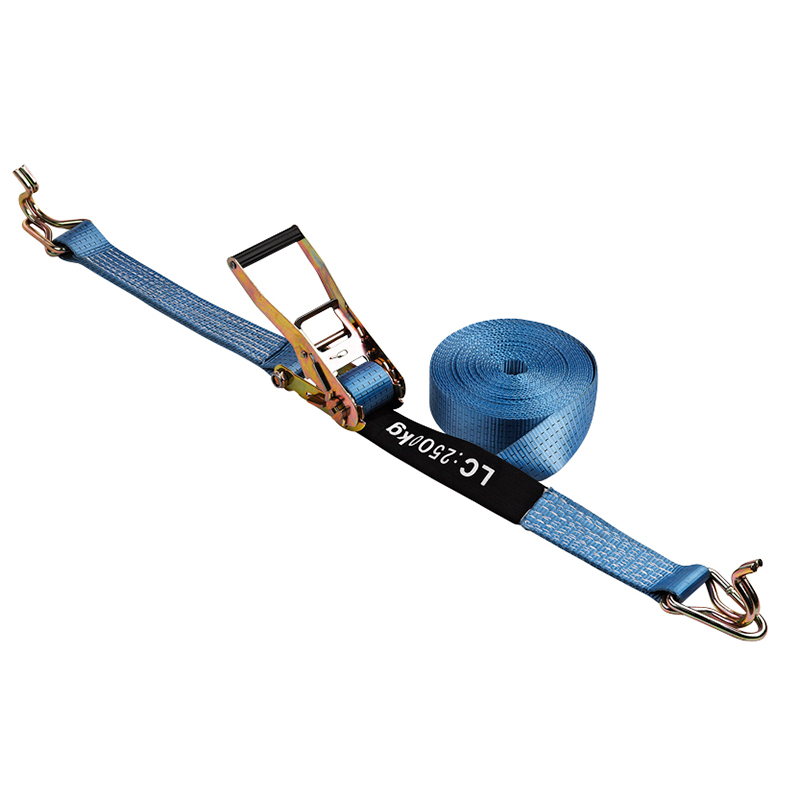
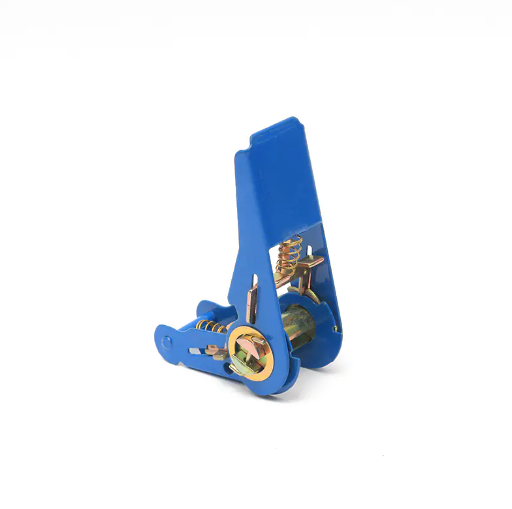
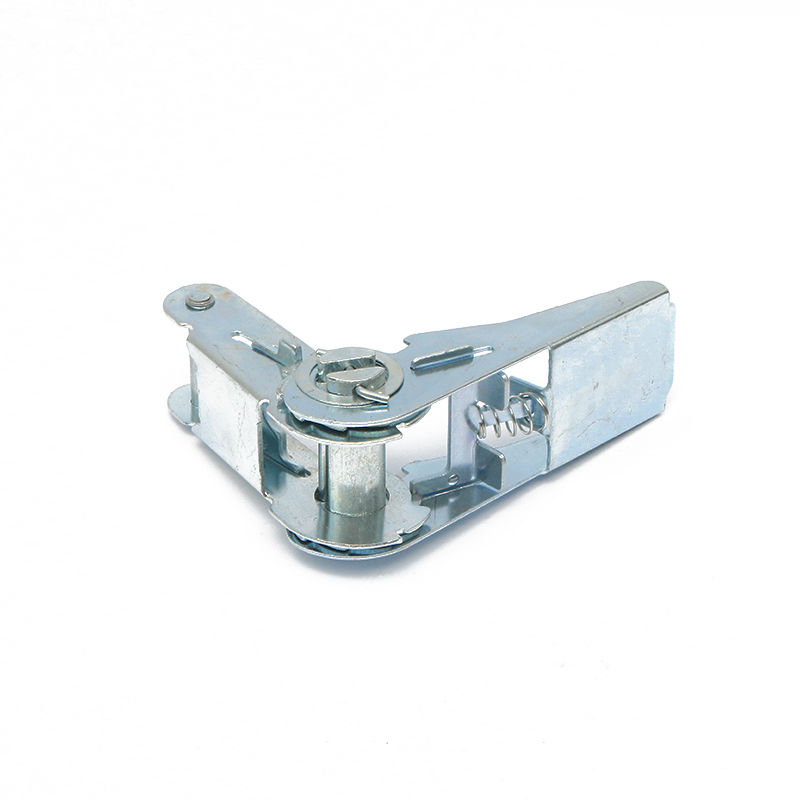
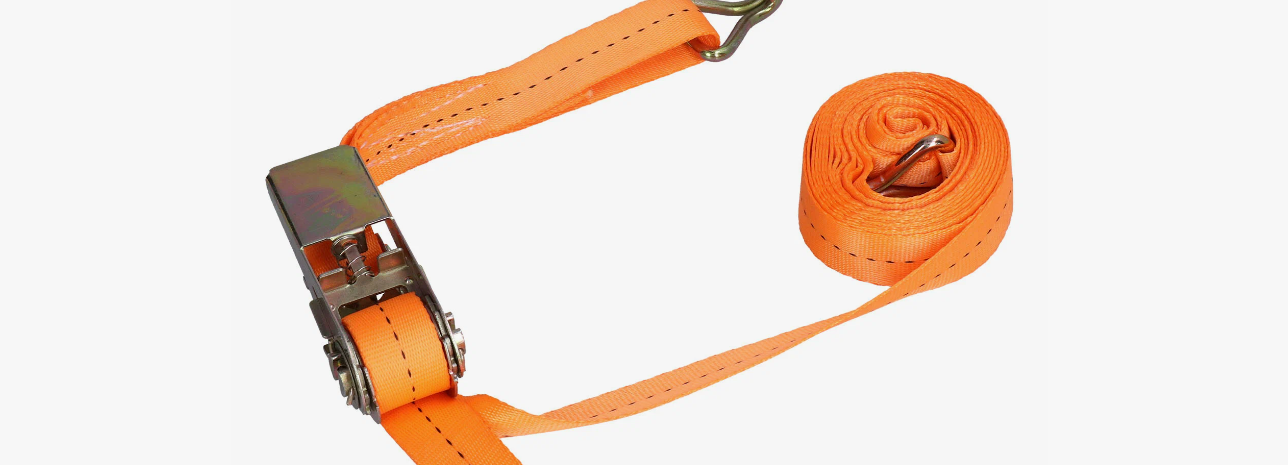
Ratchet tie-down straps have strong locking capabilities and are suitable for securing heavy or high-value goods. However, if not used correctly, overtightening may occur, leading to deformation of the goods or damage to the strap itself.
Elastic cords are mainly used for quickly securing lightweight items and have elastic cushioning properties, but their load-bearing capacity is limited. Using them to secure heavy objects in formal transportation is extremely risky.
5. Long-Term Use Risks Should Not Be Ignored
Tie-down straps are consumables. Long-term exposure to sunlight, rain, and friction can lead to fiber aging and reduced strength. Continuing to use worn or deformed tie-down straps, even with correct strapping methods, may result in sudden failure during transportation, causing unpredictable consequences.
6. How to Reduce the Risks of Using Tie-Down Straps?
To avoid the dangers of using the wrong tie-down straps, first, choose the appropriate type and rated strength of tie-down strap based on the weight, volume, and transportation method of the goods. Second, strap the goods using the correct method, ensuring that the buckles are fully locked and the straps are evenly stressed. The strapping condition should be checked regularly during transportation, especially during long-distance transportation or on complex road conditions.
The dangers of using the wrong tie-down straps when transporting goods are far more serious than imagined. It not only affects the safety of the goods but also directly impacts the safety of personnel and traffic order. Only by correctly selecting, properly using, and regularly inspecting tie-down straps can their securing function in the transportation process be truly realized, preventing minor mistakes from leading to major problems and ensuring safe and smooth transportation.

 EN
EN  中文简体
中文简体 Español