How to Use Alloy Cam Buckles for Secure Strapping?
Alloy cam buckles provide a fast, reliable, and tool-free method for securing loads when the strap is routed correctly, the cam is fully engaged, and the working load limit is not exceeded. Whether you are using heavy-duty alloy cam buckle straps on a truck bed, corrosion-resistant alloy cam buckles for outdoor adventure rigs, or a lightweight alloy cam buckle for camping gear, the core technique is the same — and getting it right takes less than two minutes once you understand the steps. This guide walks through correct usage, load ratings, material selection, and maintenance so you get maximum holding performance from every strap.
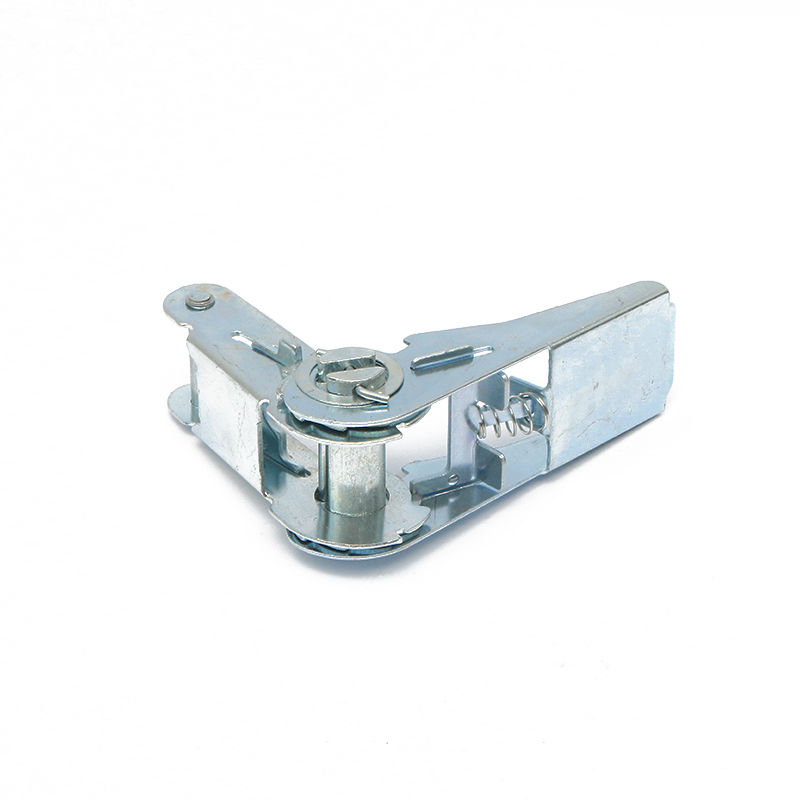
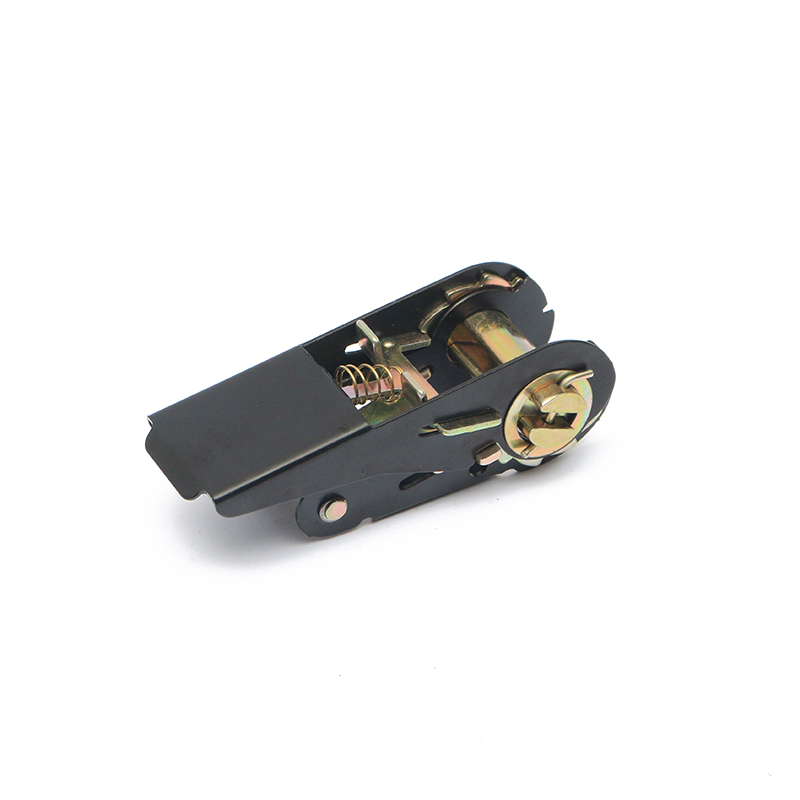
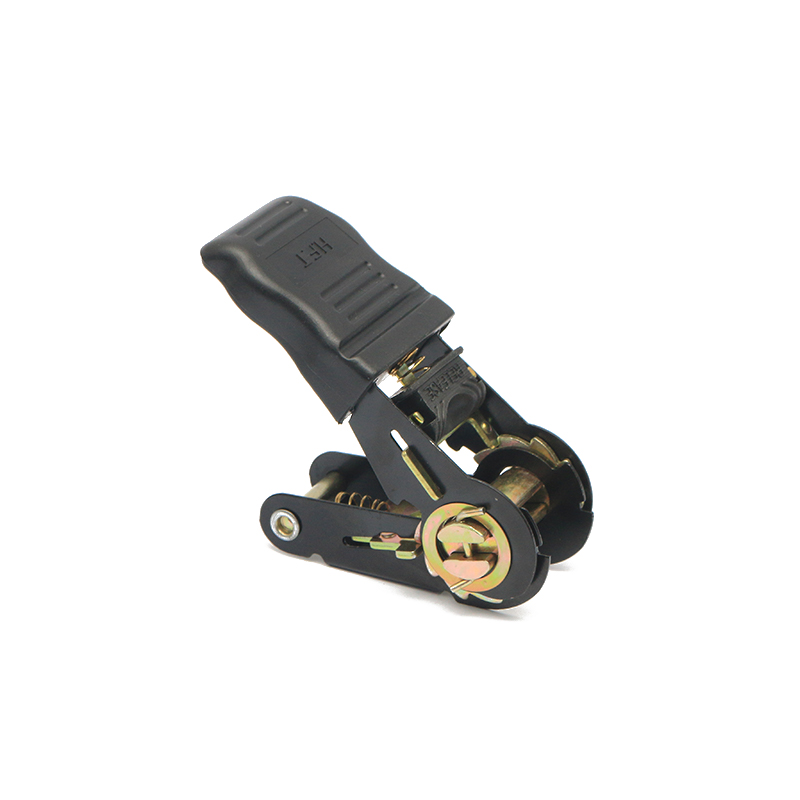
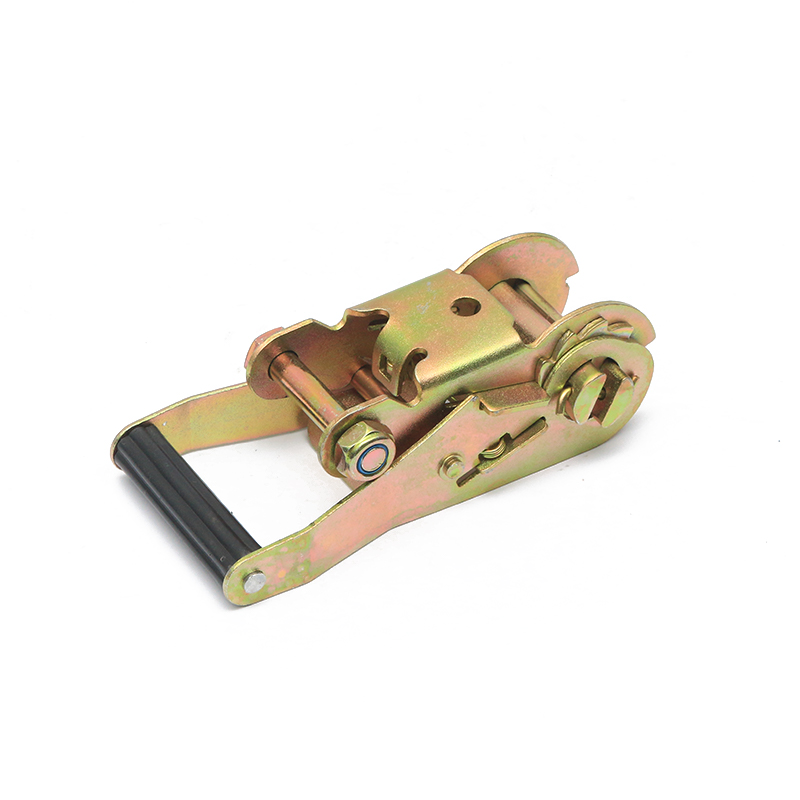
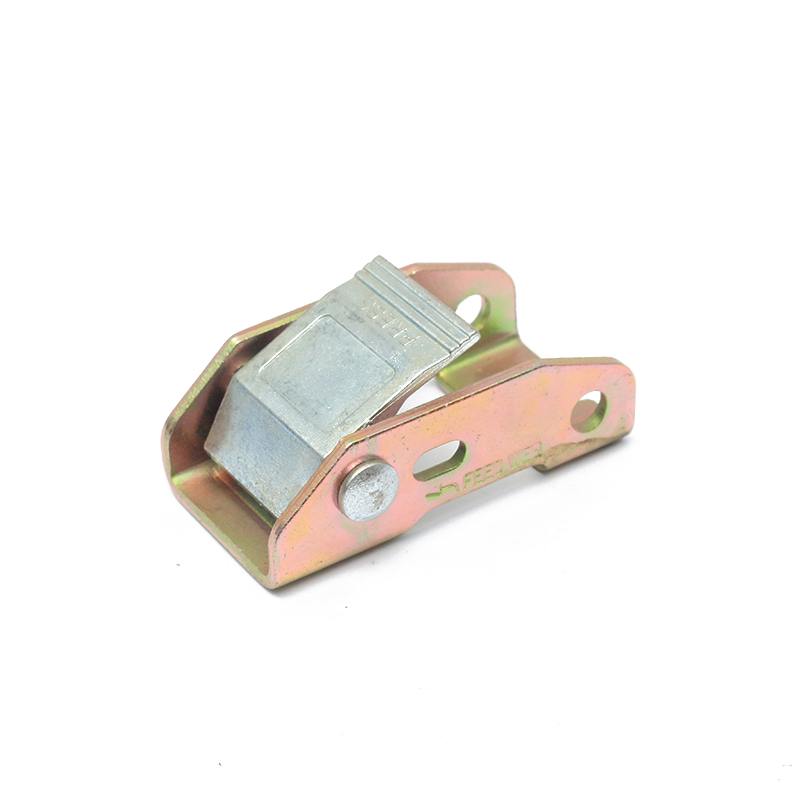
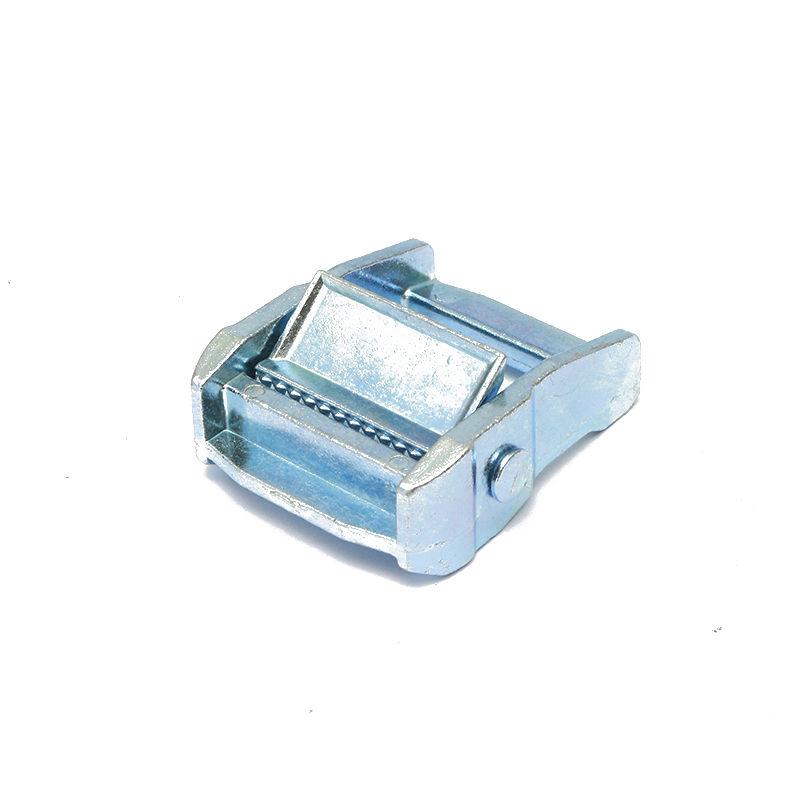
A cam buckle uses a spring-loaded toothed cam that bites into the webbing when tension is applied. Unlike ratchet straps, cam buckles require no handle to crank — pulling the strap tight and pressing the cam locks it instantly. This makes them significantly faster to apply and release, which is why they dominate applications where loads are adjusted frequently, such as rooftop cargo, paddleboard transport, and pack-animal rigging.
Alloy cam buckles — typically made from die-cast aluminum or zinc alloy — offer a strength-to-weight advantage over steel alternatives. A standard aluminum alloy cam buckle weighing under 60 grams can carry a working load limit (WLL) of 150–250 kg, making it practical for applications where weight accumulates across multiple tie-down points.
Table 1: Cam Buckle vs. Ratchet Strap — Key Differences at a Glance
Feature
Alloy Cam Buckle
Ratchet Strap
Typical WLL
100–300 kg
500–5,000 kg
Application speed
Under 10 seconds
30–60 seconds
Risk of over-tensioning
Low
Moderate to high
Typical weight (buckle only)
40–80 g
180–400 g
Best for
Light to medium loads, delicate surfaces
Heavy loads, commercial transport
Step-by-Step: How to Use an Alloy Cam Buckle Correctly
Following the correct sequence ensures the cam engages fully and the strap holds under dynamic load — such as road vibration or trail movement. Do not skip steps, especially on loads above 50 kg.
1. Anchor One End of the Strap
Attach the fixed hook or loop end of the strap to a rated anchor point — a D-ring, load bar, or tie-down rail. Confirm the anchor's rated capacity meets or exceeds the load you are securing. Never anchor to bodywork, plastic trim, or unrated improvised fixtures.
2. Route the Webbing Through the Cam
Open the cam by pressing the release tab and thread the free end of the webbing through the buckle frame, then under the cam roller. The webbing must lie flat — no twists. A twisted strap reduces effective holding strength by up to 30% and causes uneven wear on the cam teeth.
3. Pull the Strap Tight and Engage the Cam
With one hand stabilizing the buckle against the anchor point, use your other hand to pull the free end of the webbing firmly until the load is snug. Release hand pressure on the webbing — the cam spring will automatically lock the strap. You should hear or feel a distinct click or resistance indicating the cam teeth have engaged the webbing fibers.
4. Verify the Hold
Try pulling the free end back through the buckle. It should not move. Physically attempt to shift the secured load by hand — there should be no more than minimal flex (under 25 mm movement at the load surface). If the load shifts more than this, re-tension or add a second strap.
5. Tuck or Secure the Excess Webbing
Loose webbing tails flutter at speed, creating noise and potential distraction. Fold excess webbing back on itself and secure it with a rubber keeper or hook-and-loop wrap. On heavy-duty alloy cam buckle straps, a minimum of 75 mm of tail webbing should remain past the buckle after tensioning to ensure the cam has sufficient material to grip.
Choosing the Right Alloy Cam Buckle for Your Application
Not all alloy cam buckles are interchangeable. Selecting the correct specification for your use case prevents both equipment damage and unsafe loading. Three variables drive the selection: load rating, webbing width, and environmental resistance.
Table 2: Alloy Cam Buckle Selection Guide by Application Type
Application
Recommended WLL
Webbing Width
Key Feature
Camping gear / backpack lashing
50–100 kg
19–25 mm
Lightweight alloy cam buckle for camping gear
Kayak / paddleboard roof transport
150–250 kg
25–38 mm
Corrosion-resistant alloy cam buckles for outdoors
Motorcycle / ATV tie-down
250–300 kg
38–50 mm
Heavy-duty alloy cam buckle straps
Horse / livestock equipment
100–200 kg
25–38 mm
Smooth alloy body, no sharp edges
Marine / saltwater environment
150–300 kg
25–50 mm
Anodized or coated corrosion-resistant alloy
Figure 1 — Typical Working Load Limits (kg) by Alloy Cam Buckle Application
Midpoint WLL values used for comparison; always verify the rated specification on the buckle or strap label
Heavy-Duty Alloy Cam Buckle Straps: When and How to Use Them
Heavy-duty alloy cam buckle straps are designed for loads between 200–300 kg WLL and are distinguished by wider webbing (38–50 mm), a heavier-gauge alloy frame, and a stiffer cam spring that maintains grip under sustained vibration. These are the straps to reach for when securing motorcycles, quad bikes, or stacked equipment on open trailers.
For motorcycle tie-down, the standard recommended setup is four straps — two at the front forks pulling forward and down, two at the rear subframe pulling rearward and down. Each strap should be anchored to a rated tie-down point on the trailer floor rated at a minimum of 500 kg break strength. With four straps sharing the load, each cam buckle bears approximately 25% of the total load plus dynamic forces.
Always check the strap label for the WLL — never estimate based on strap width alone, as construction quality varies.
Protect delicate paintwork and chrome using foam or rubber edge guards where the strap contacts the frame.
Re-check tension after the first 15–20 minutes of travel — webbing and load settle, reducing initial tension by 10–20%.
Corrosion-Resistant Alloy Cam Buckles for Outdoor and Marine Use
Standard die-cast alloy cam buckles perform well in dry conditions but corrode in coastal and wet environments if unprotected. Corrosion-resistant alloy cam buckles for outdoors address this through anodizing, powder coating, or use of marine-grade aluminum alloys (such as 6061-T6 or 5052) that maintain structural integrity even after prolonged salt water exposure.
Salt spray testing (ASTM B117) is the standard benchmark. A well-anodized alloy cam buckle should show no base metal corrosion after 500 hours of continuous salt spray exposure. Buckles rated for marine use should carry this certification or equivalent documentation.
Identifying a Corrosion-Resistant Buckle
Surface finish: Anodized buckles have a matte, slightly textured surface. Powder-coated buckles feel smoother and may be colored.
Cam teeth: Should be stainless steel or treated alloy — bare mild steel cam teeth corrode rapidly in salt air and lose grip on the webbing.
Spring: Stainless steel return springs resist corrosion; check the product specification for spring material, not just the buckle body material.
Lightweight Alloy Cam Buckle for Camping Gear: Weight-Saving Without Compromise
When every gram counts — on a multi-day hiking trip, bikepacking setup, or ultralight canoe expedition — a lightweight alloy cam buckle for camping gear offers a meaningful advantage over steel hardware. A typical 25 mm aluminum cam buckle weighs 35–50 grams versus 90–130 grams for an equivalent steel buckle, a saving of around 80 grams per strap set. Across four strap sets, that amounts to over 300 grams — roughly the weight of a full water bottle.
For camping applications, loads rarely exceed 40–60 kg, well within the WLL of even the lightest alloy cam buckles. The more relevant selection criteria for this use case are:
One-handed operation: Look for buckles with a large, easy-to-press cam release tab that works with gloves or cold hands.
Webbing compatibility: Confirm buckle slot dimensions match your webbing width. A 25 mm webbing in a 38 mm buckle will not cam correctly and may slip.
No-snag profile: Rounded alloy bodies without protruding edges protect tent fabric, sleeping bag shells, and waterproof drybags from abrasion.
Figure 2 — Alloy Cam Buckle Weight (g) vs. Working Load Limit (kg) Across Common Sizes
Indicative values for 25–50 mm aluminum alloy cam buckles; actual weight varies by manufacturer and design
Common Mistakes That Reduce Holding Strength
Even a high-quality alloy cam buckle strap will underperform if used incorrectly. The following errors are consistently observed in field use and each one meaningfully reduces the effective holding force.
Routing the webbing over the cam instead of under it. This reverses the cam action — the buckle will release under load rather than grip tighter.
Using a worn or frayed strap. Cam buckle teeth rely on webbing fiber texture to grip. Worn webbing with a glazed surface reduces grip by up to 40%. Inspect webbing before each use — replace straps with cut fibers, UV bleaching, or more than 10% width reduction.
Exceeding the working load limit. The WLL is calculated with a safety factor (commonly 3:1 to 5:1 over break strength). Exceeding WLL progressively damages both the alloy body and the webbing, reducing safety margin for future use.
Leaving less than 75 mm of tail past the cam. Insufficient tail length means the cam grips near the webbing end — where fraying is most likely and grip is least consistent.
Ignoring the load angle. Cam buckle straps provide maximum holding force when the angle between the strap and the load surface is between 30° and 60°. Very shallow angles (under 15°) reduce effective downward holding force significantly.
Inspection and Maintenance to Extend Buckle Life
A well-maintained alloy cam buckle set will provide years of reliable service. The maintenance routine is simple — the key is consistency.
After Each Use
Rinse with fresh water if exposed to salt, sand, or mud.
Allow webbing to dry fully before storage — damp webbing stored in a bag degrades rapidly from mildew.
Check that the cam spring snaps back firmly when released.
Monthly or Every 20 Uses
Inspect cam teeth for rounding or chipping. Smooth teeth grip less effectively — replace the buckle if teeth show visible wear.
Apply a light spray of silicone lubricant to the cam pivot point and spring — avoid oil-based lubricants that attract grit.
Inspect the alloy body for cracks, especially around the frame corners and cam pivot holes. Discard any buckle with a visible crack — alloy does not fail progressively; cracked alloy can fracture suddenly under load.
Webbing Replacement Indicators
Any cut or abrasion penetrating more than 10% of webbing width
Visible UV bleaching (color fading) across more than 30% of strap length
Chemical contamination from acids, solvents, or fuels — these degrade polyester and nylon webbing internally without visible surface damage
Any strap that has been subjected to a shock load (sudden jerk at or near WLL)
Frequently Asked Questions
Q1: Can I use an alloy cam buckle for overhead lifting?
No. Cam buckles are rated for lashing and tie-down use only, not overhead or vertical lifting. Overhead lifting requires EN 1492-1 or equivalent certified lifting slings with rated hardware. Using a cam buckle for lifting creates a serious safety risk.
Q2: How do I release an alloy cam buckle when it is under heavy tension?
Push the cam release tab fully down with your thumb while simultaneously pushing the strap slack toward the buckle (not pulling it away). Reducing tension at the cam before pressing the release makes it significantly easier. For very tight straps, use a flat-blade screwdriver to press the cam down while feeding slack from the load side.
Q3: What webbing material works best with alloy cam buckles?
Polyester webbing is the preferred choice — it has low stretch (under 2% at WLL), resists UV degradation well, and maintains grip on cam teeth reliably. Nylon webbing stretches more (up to 8% at WLL), which reduces effective tension over time and is less suitable for applications where load movement must be minimized.
Q4: How many cam buckle straps do I need for a kayak on a roof rack?
A minimum of two straps over the hull body (one at the front third, one at the rear third) plus two bow and stern lines secured to the vehicle's front and rear tie points. The bow and stern lines prevent pitching and yawing movement at highway speeds. For kayaks over 5 meters, three hull straps are recommended.
Q5: Will alloy cam buckles rust?
Aluminum alloy bodies do not rust in the traditional sense, but they can develop white oxidation (aluminum oxide) in prolonged wet conditions. Anodized or powder-coated buckles resist this effectively. The cam spring and teeth — if made from untreated steel — can rust. Choose buckles with stainless steel cam components for any outdoor or marine use.

 EN
EN  中文简体
中文简体 Español