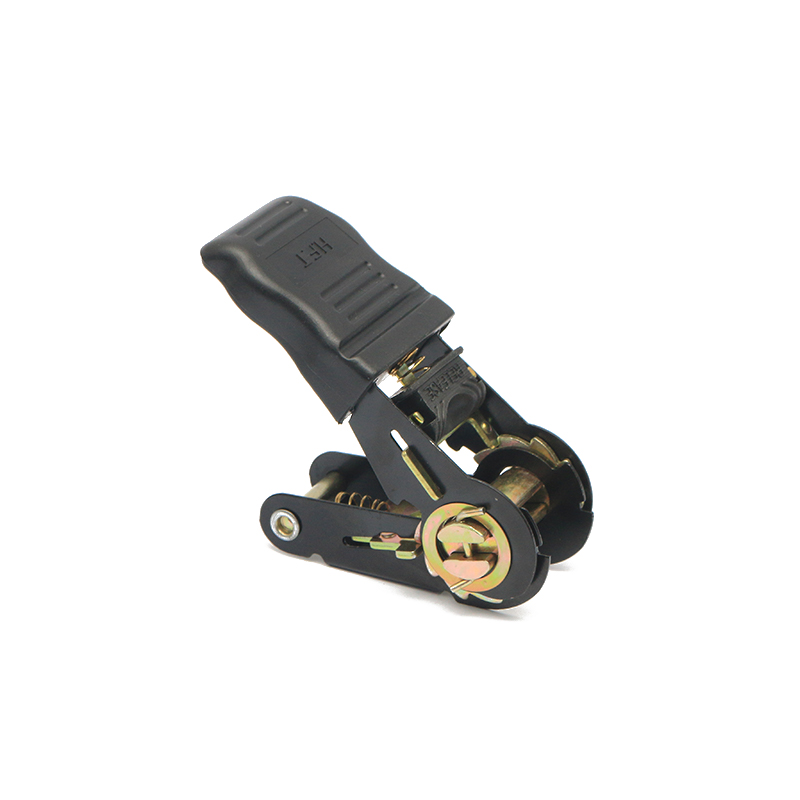
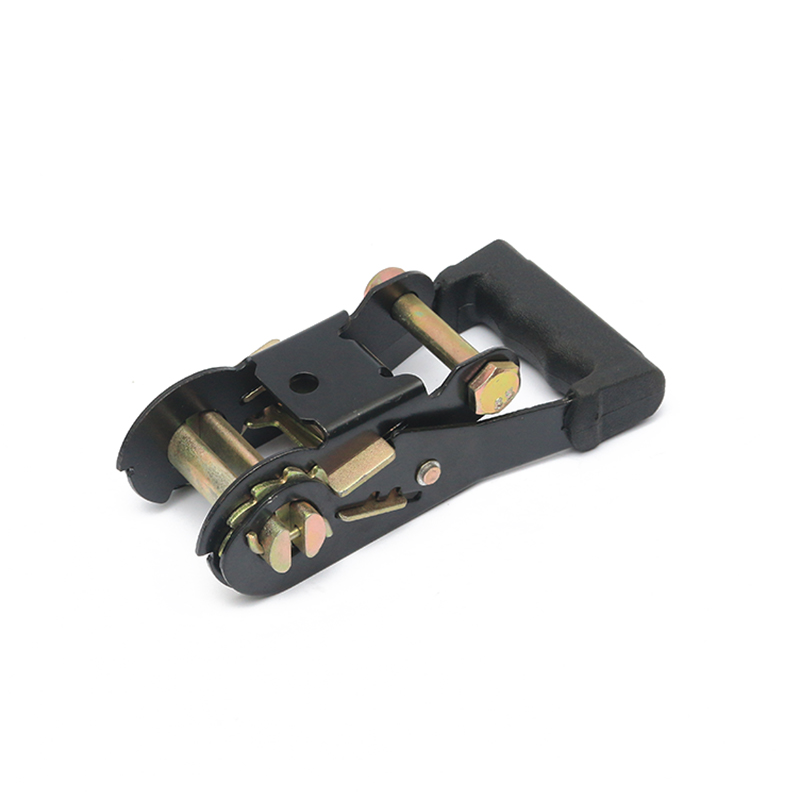
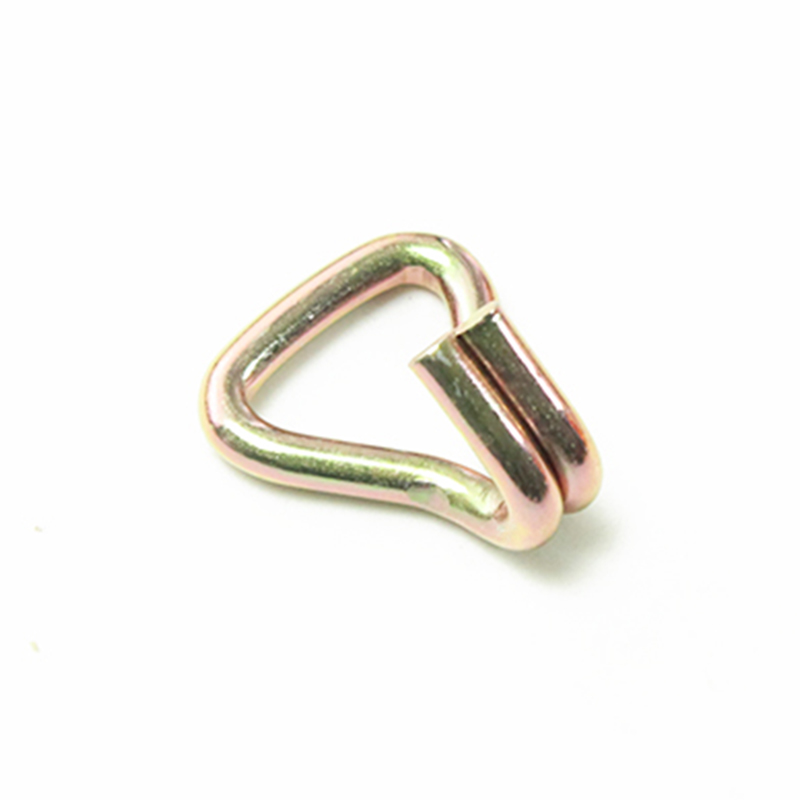
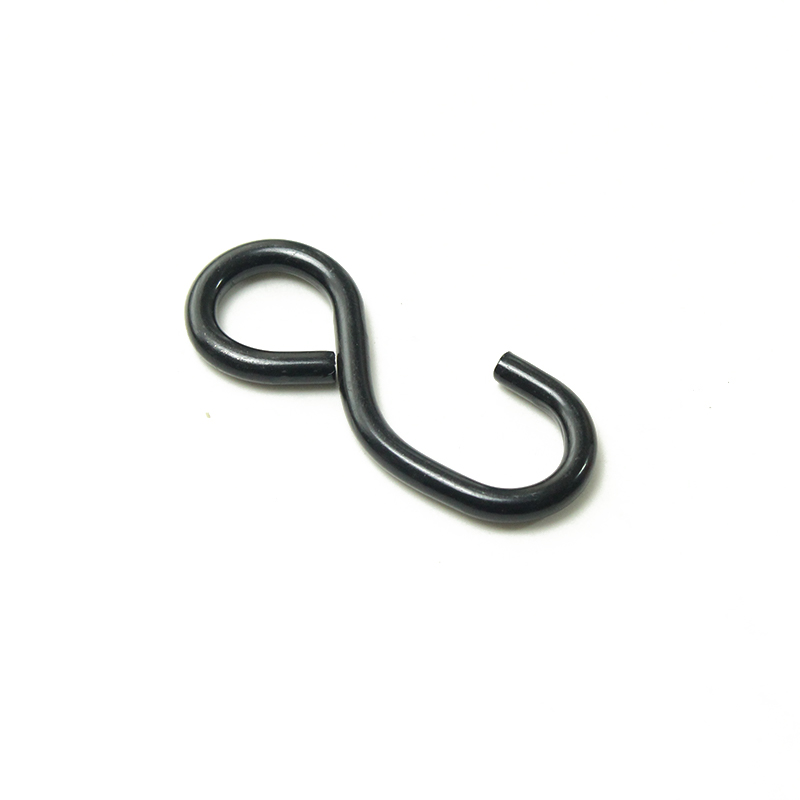
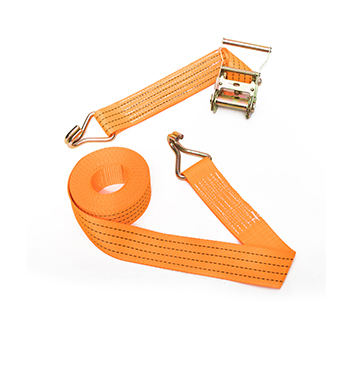
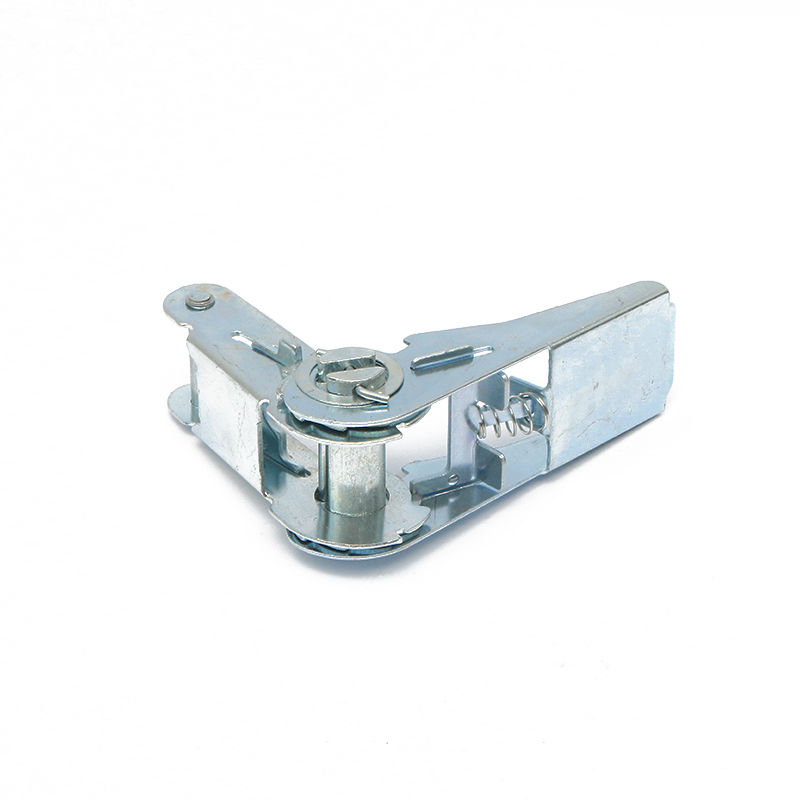
To ensure the safety of your goods during transport, it is essential to use tie down straps correctly. First, always choose straps that are rated for the weight of the load. Second, make sure the straps are securely tightened and the load is stable. Lastly, check that the attachment points are strong and secure to prevent any shifting or accidents during transit.
Selecting the Right Tie Down Straps
The first step in ensuring the safety of your goods is selecting the appropriate tie down straps. You need to consider the weight, size, and nature of the load being transported. Tie down straps are typically rated for specific weight capacities, which should be followed strictly.
For example, a 1-inch strap is suitable for light loads up to 500 lbs, while a 2-inch strap can handle heavier loads, up to 3,000 lbs.
How to Properly Secure Tie Down Straps
Once you've selected the appropriate tie down straps, the next step is securing them correctly. It is essential to place the straps in a way that ensures the load will not shift during transport. Ideally, the straps should be positioned at opposing angles to maximize stability.
Avoid Slack in the Straps
Ensure that the straps are pulled tight to remove any slack. Loose straps can lead to instability and cause the load to move around during transit, which increases the risk of accidents.
Check the Attachment Points
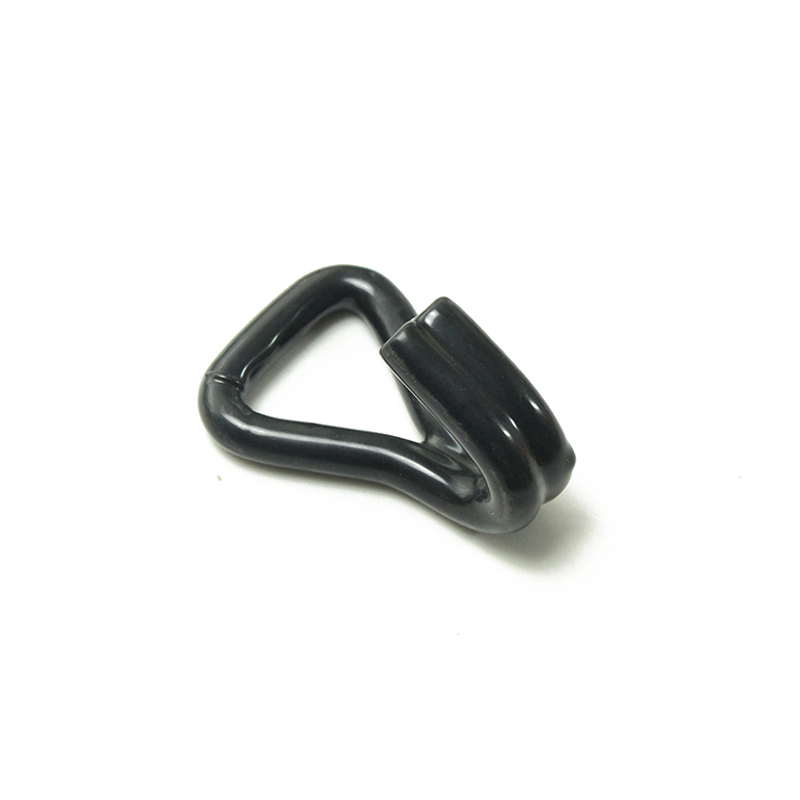
The attachment points on your vehicle, such as tie-down hooks or anchor points, must be secure. Make sure they are rated for the load and properly positioned. Using weak or incorrect attachment points can result in the straps coming loose.
Common Mistakes and Pitfalls
Many people make common mistakes when using tie down straps. Avoiding these errors can prevent accidents and damage to your goods. Here are some of the most frequent pitfalls:
- Choosing straps that are too short or too long: Straps that are either too short to fit or too long to secure the load can lead to instability.
- Ignoring the weight and stability of the load: Always choose straps with a weight capacity higher than the weight of the load you are securing.
- Uneven tightening of the straps: Ensure the load is evenly secured by tightening the straps uniformly across the load.
How to Extend the Lifespan of Your Tie Down Straps
Taking proper care of your tie down straps will help ensure they last longer. Avoid exposing them to extreme temperatures, excessive sunlight, or harsh chemicals. After each use, inspect the straps for signs of wear or damage, such as fraying or cuts, and replace any damaged straps immediately.
Frequently Asked Questions
- Q: How much weight can tie down straps hold?
A: The weight capacity depends on the width and material of the strap. Typically, a 1-inch strap holds up to 500 lbs, while a 2-inch strap can handle up to 3,000 lbs.
- Q: How do I choose the right tie down straps?
A: Choose tie down straps based on the weight and size of your load. Always make sure the strap's rated capacity exceeds the weight of the load.
- Q: Can I connect multiple tie down straps together?
A: It’s generally not recommended to connect multiple straps unless they are designed for combined use.
- Q: How can I avoid slack in my tie down straps?
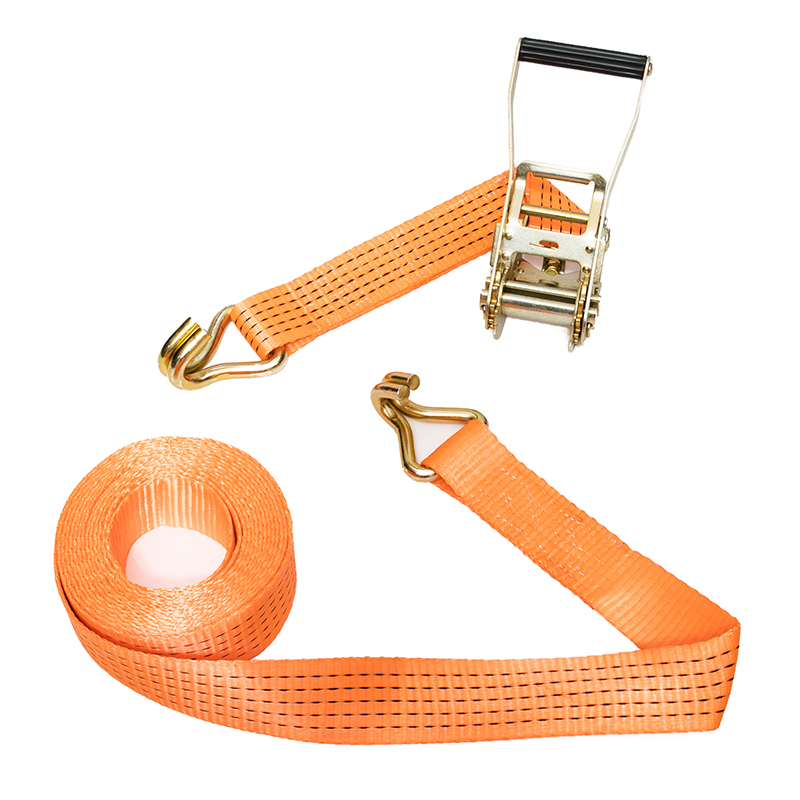
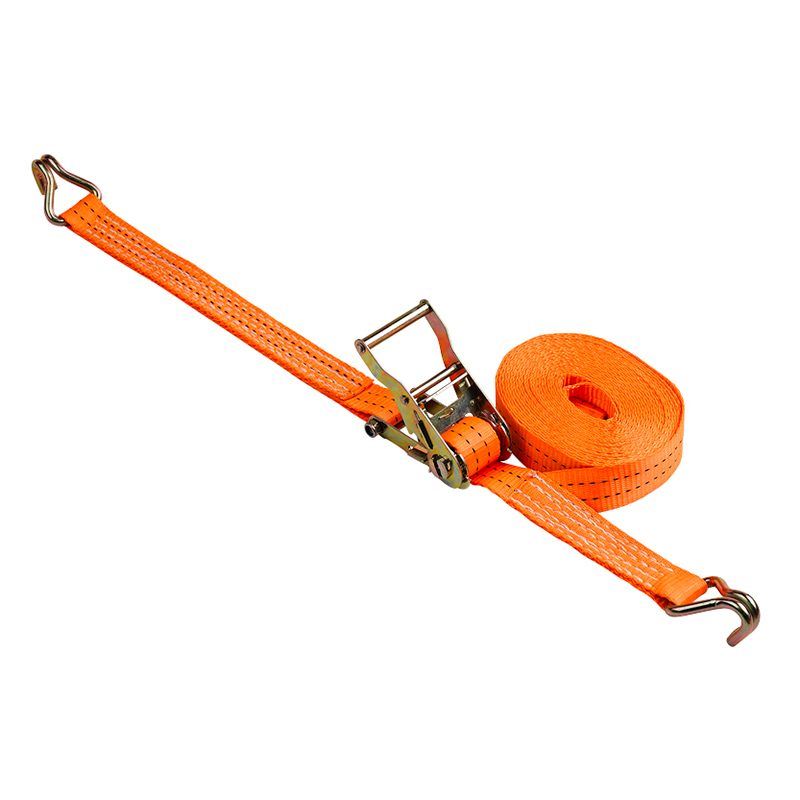
A: Use a ratchet tie down mechanism or a manual tightening system to ensure the straps are taut and secure.
- Q: Can tie down straps be reused?
A: Yes, but they should be inspected after each use for wear and tear. If they show signs of damage, replace them immediately.
- Q: How should I store my tie down straps?
A: Store tie down straps in a cool, dry place away from direct sunlight and chemicals to prevent degradation and extend their lifespan.

 EN
EN  中文简体
中文简体 Español