The Direct Answer: Yes — When Matched to the Load and Used Correctly
Tie down straps are one of the most reliable and widely proven methods for preventing cargo damage during transport. When the correct strap type, working load limit (WLL), and anchoring method are matched to the cargo, straps effectively eliminate shifting, tipping, and impact damage caused by road vibration, braking, and cornering forces.
According to the Federal Motor Carrier Safety Administration (FMCSA), unsecured or improperly secured cargo contributes to approximately 25,000 crashes and 90 fatalities annually on U.S. roads. The solution in the vast majority of these cases is proper use of cargo tie down straps rated and rigged for the specific load being transported. This article covers everything you need to know to choose, use, and maintain tie down straps effectively.
How Cargo Shifts and What Forces Act on It During Transit
Before selecting a strap, understanding what forces act on cargo helps clarify why securing it properly matters. During a typical road trip, cargo experiences multiple directional forces simultaneously:
Forward inertia during braking: A hard brake at highway speed can generate a forward force equivalent to 0.8g, meaning an 800 lb load exerts nearly 640 lbs of forward force against its restraints.
Lateral force during cornering: Sharp turns generate lateral forces up to 0.5g, pushing cargo sideways against trailer walls or adjacent items.
Vertical bounce from road irregularities: Potholes and uneven surfaces create upward and downward impulse forces that can briefly make cargo significantly heavier — or cause it to momentarily lift off the deck.
Vibration-induced creep: Sustained road vibration can cause stacked or loosely placed cargo to gradually migrate over time, even without any single high-force event.
Cargo tie down straps counteract all four of these forces when applied in the correct number and geometry — typically a combination of over-the-top, side, and end straps depending on load shape and weight.
Types of Tie Down Straps and When to Use Each
Not all tie down straps are built for the same job. Selecting the right type for your application is the first step in effective cargo control.
Ratchet Tie Down Straps
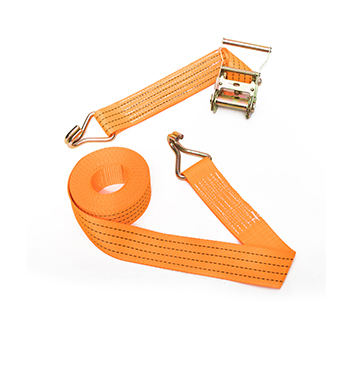
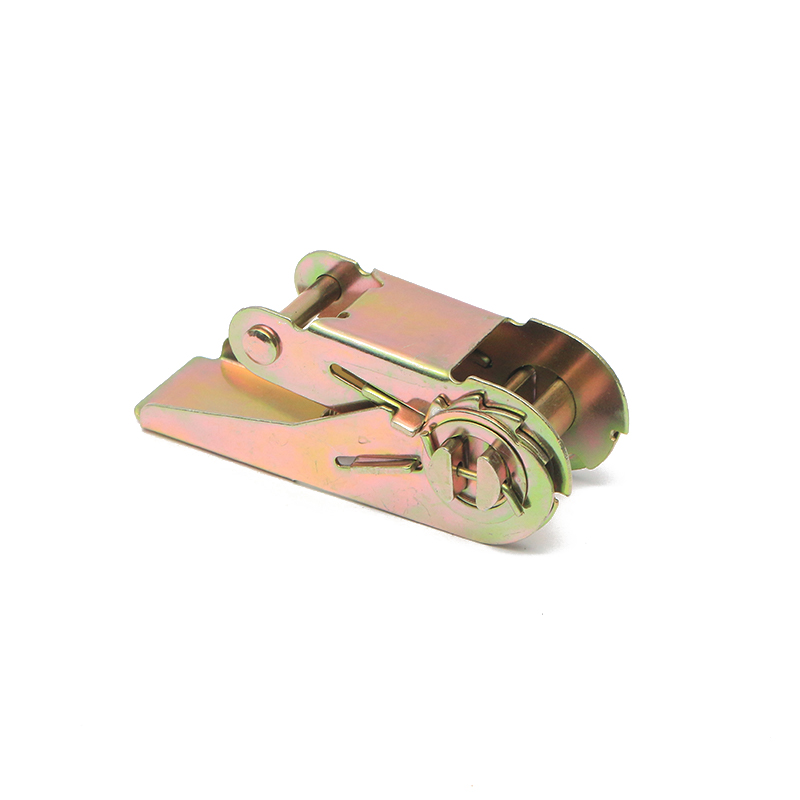
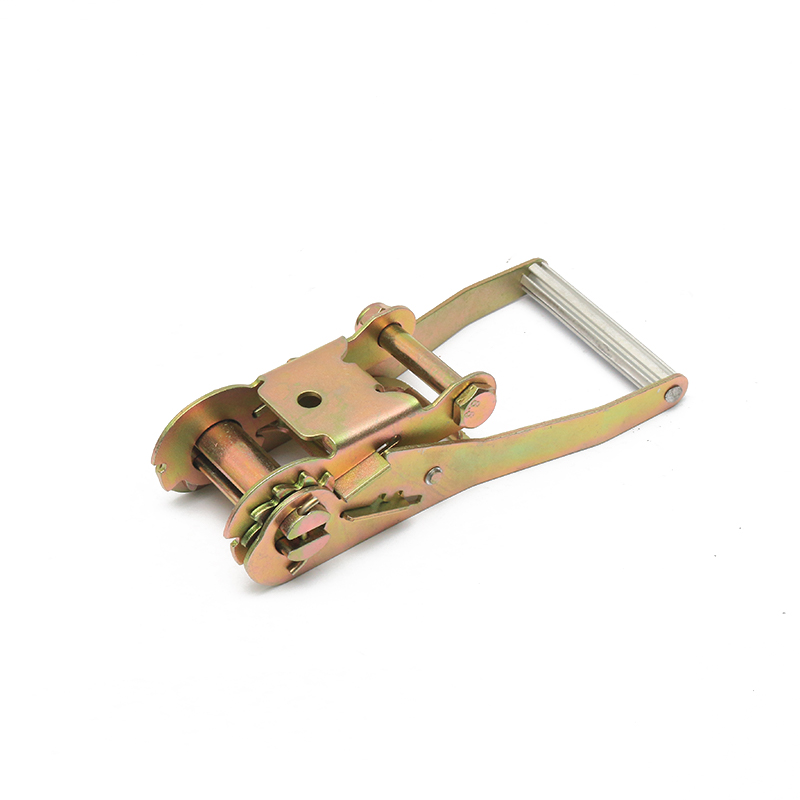
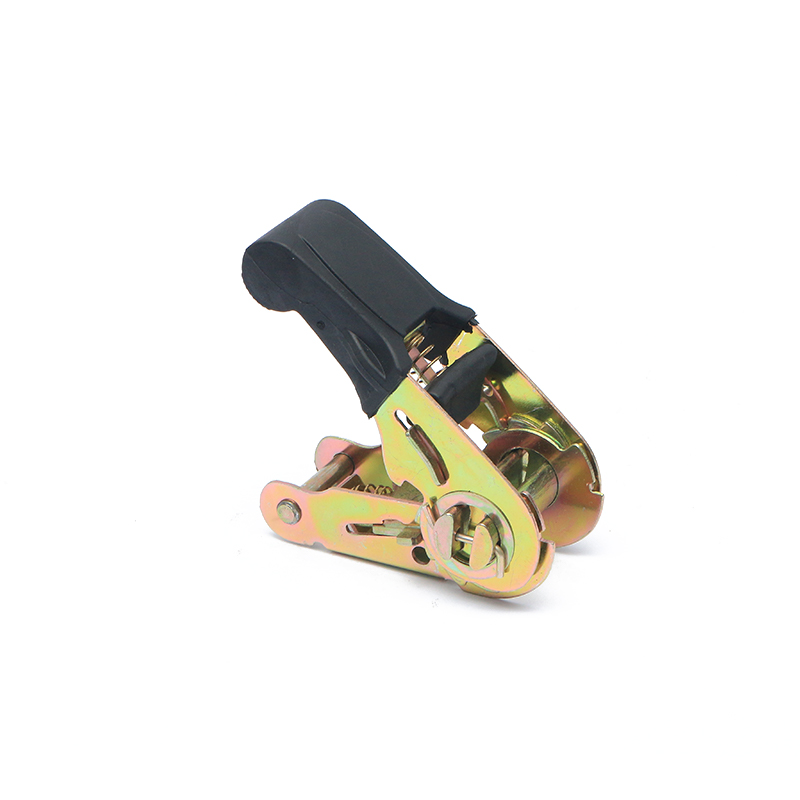
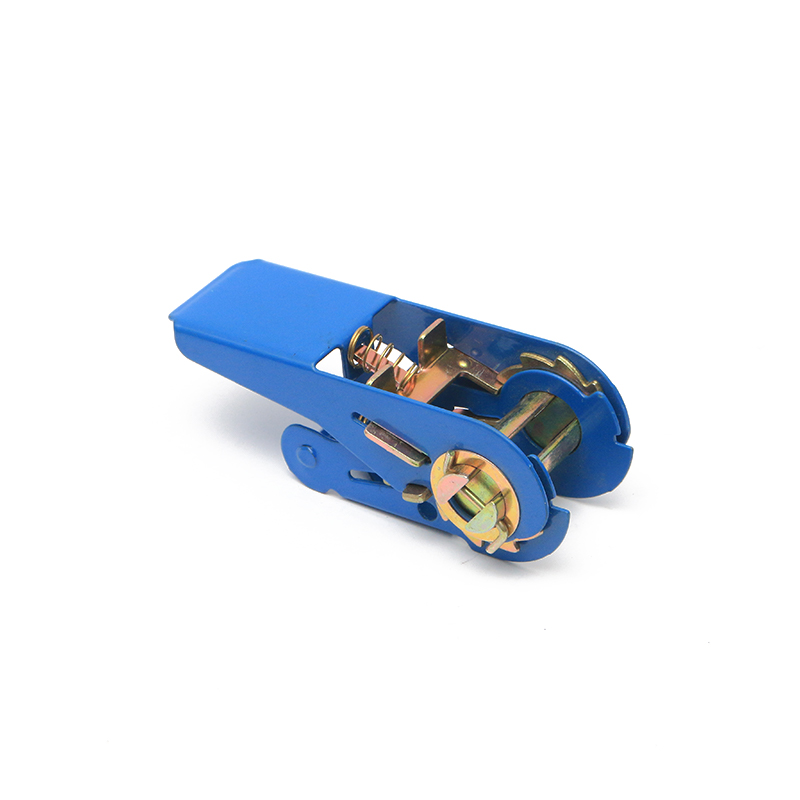
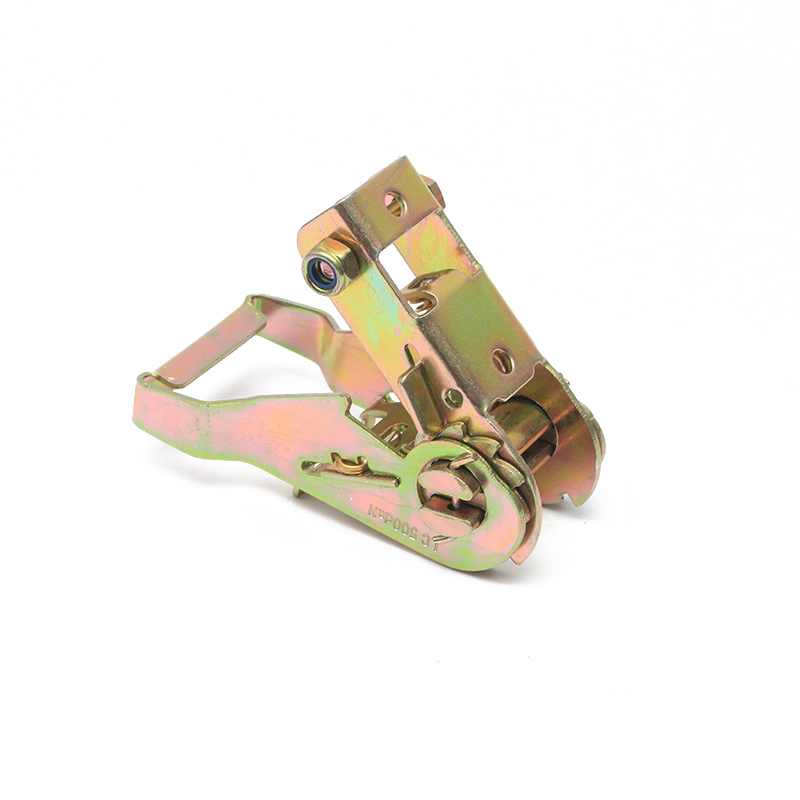
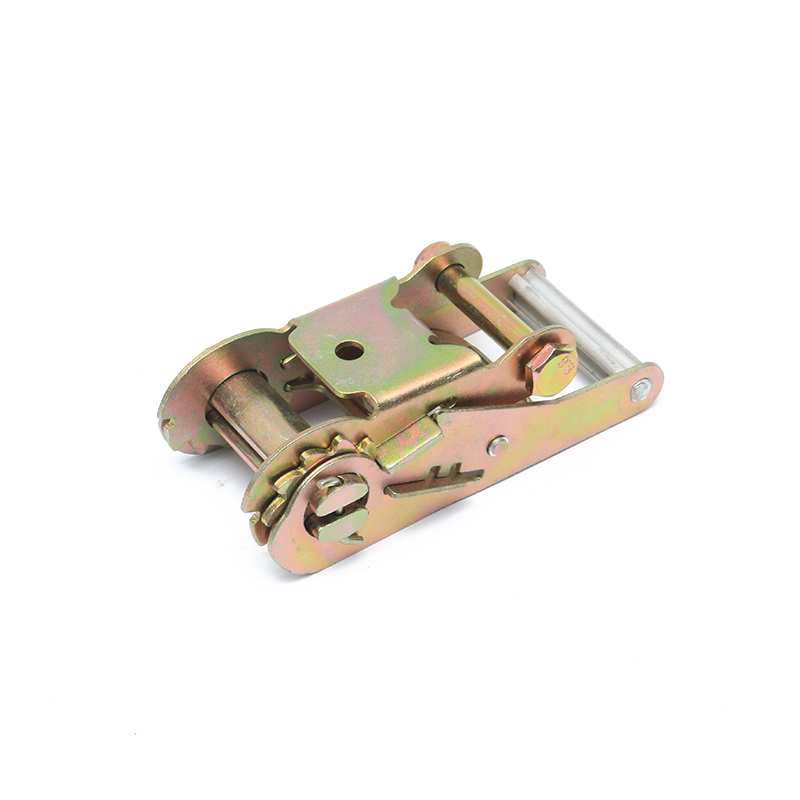
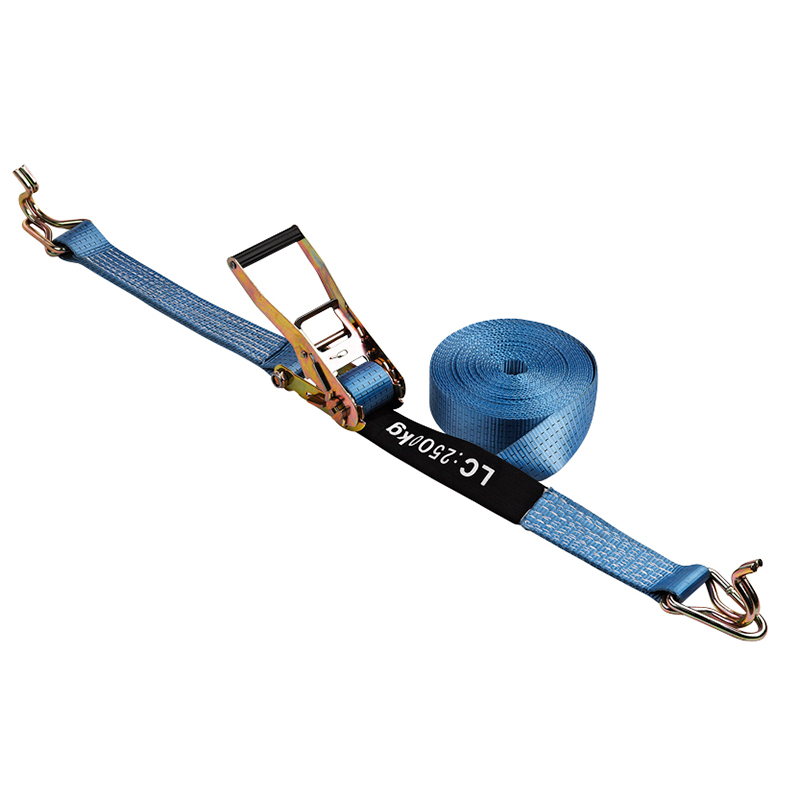
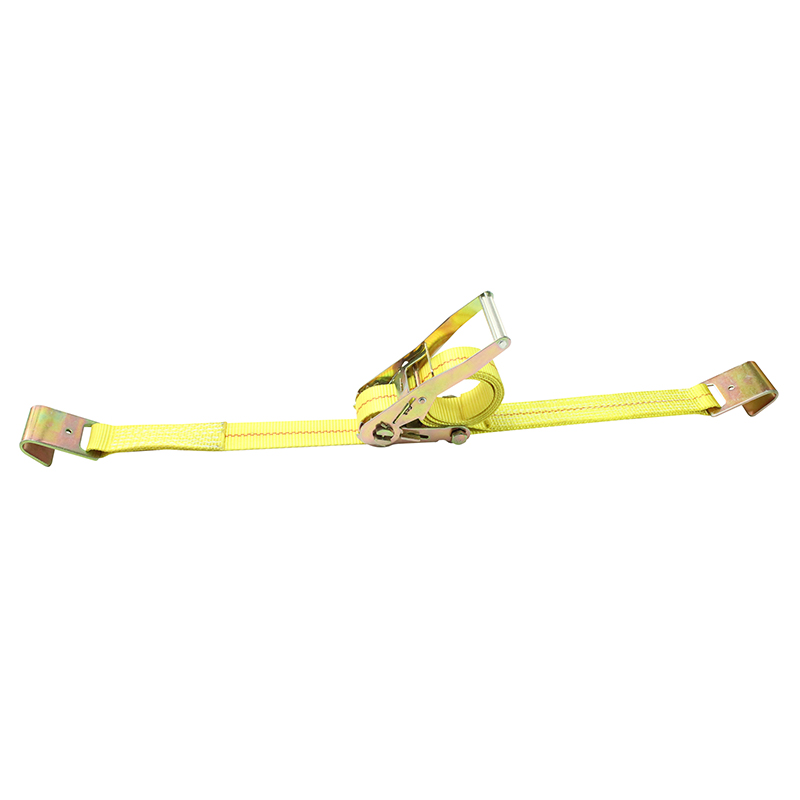
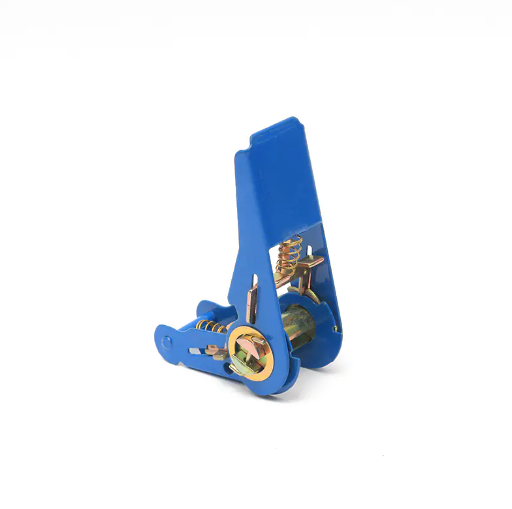
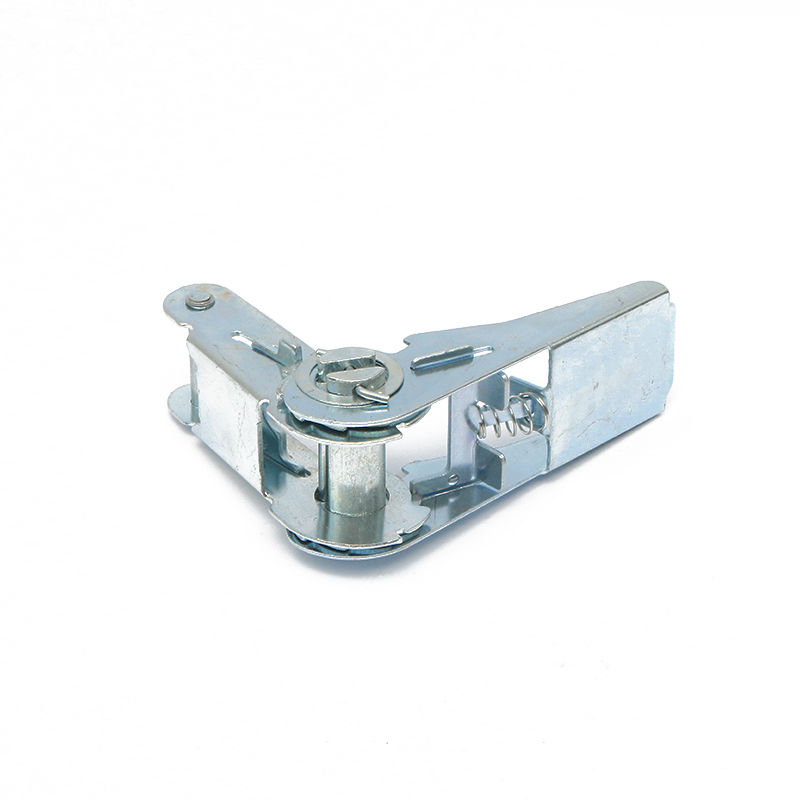
Ratchet tie down straps use a mechanical ratcheting buckle that allows the webbing to be progressively tightened to a precise tension. This makes them the preferred choice for heavy, dense, or high-value cargo where consistent, measurable tension is critical. Standard ratchet straps are available in working load limits from 833 lbs to over 5,000 lbs, making them suitable for motorcycles, ATVs, equipment, and palleted freight. The ratchet mechanism also prevents slack from developing during transport due to vibration — a key advantage over cam buckle designs.
Cam Buckle Tie Down Straps
Cam buckle straps use a spring-loaded cam to grip the webbing. They are faster to operate than ratchet straps and apply gentler tension, making them well-suited for fragile or lightweight cargo — furniture, kayaks, soft goods, and items susceptible to crushing under high tension. Typical WLL for cam buckle straps ranges from 100 to 500 lbs. They are not appropriate for heavy or dense freight that requires firmly locked tension.
Heavy Duty Tie Down Straps
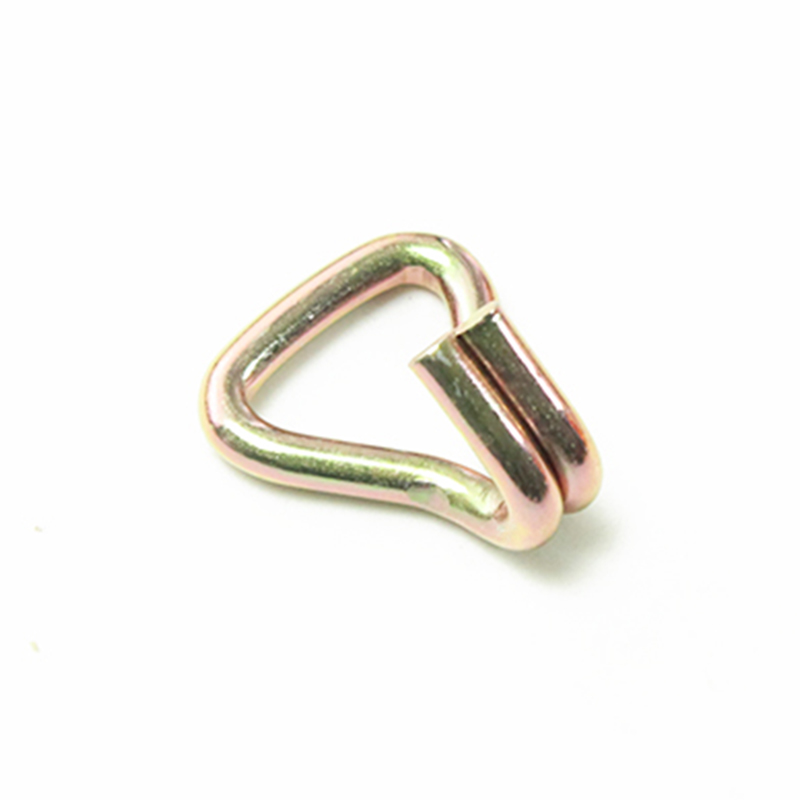
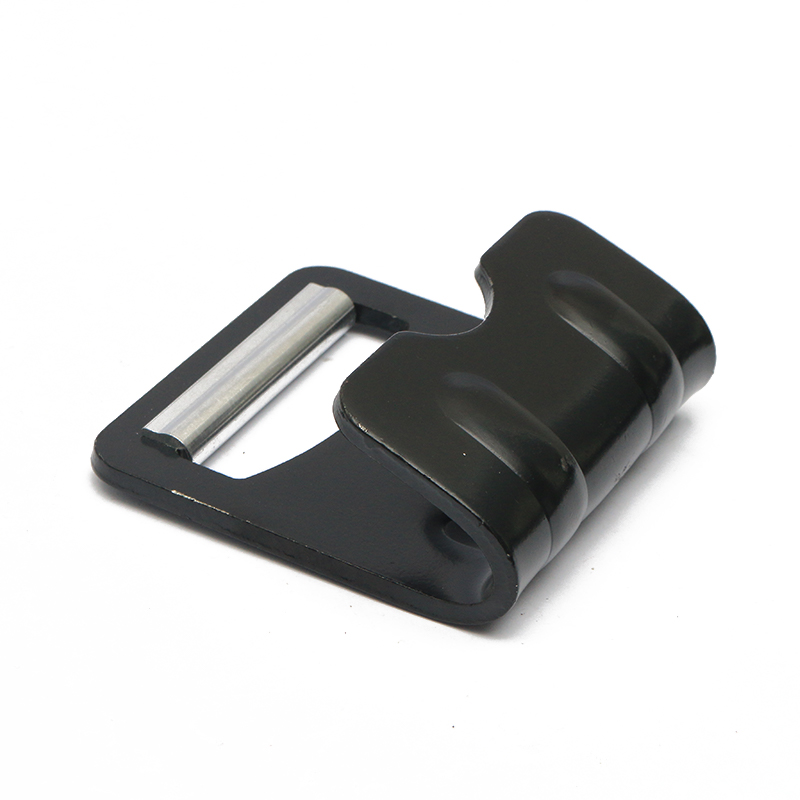
Heavy duty tie down straps are designed for industrial and commercial freight applications — construction equipment, heavy machinery, vehicles on flatbeds, and large pallets. These straps typically use 2-inch or 4-inch wide polyester webbing rated from 3,300 lbs to 10,000+ lbs WLL, with breaking strengths three times the WLL or higher as required by DOT regulations. Heavy duty variants often feature forged steel hooks, reinforced stitching, and UV-resistant webbing formulations for long-term outdoor use.
Axle Straps and Wheel Nets
Axle straps loop around a vehicle's axle rather than hooking to frame points, distributing load evenly without risk of hook slip. Wheel nets wrap around tires to secure vehicles at all four corners. Both types are commonly paired with ratchet tie down straps in vehicle transport applications to provide multi-point restraint.
Strap Type
Typical WLL
Best Application
Tension Control
Cam Buckle
100–500 lbs
Fragile / lightweight cargo
Manual / moderate
Ratchet (1-inch)
833–1,500 lbs
Motorcycles, ATVs, general cargo
Ratchet / high precision
Ratchet (2-inch)
1,500–3,300 lbs
Equipment, trailers, vehicles
Ratchet / high precision
Heavy Duty (4-inch)
5,000–10,000+ lbs
Heavy machinery, flatbed freight
Ratchet / industrial
Table 1: Tie Down Strap Types, Working Load Limits, and Recommended Applications
Understanding Working Load Limit and How to Calculate How Many Straps You Need
The Working Load Limit (WLL) is the maximum load a strap is rated to restrain under normal transport conditions. It is always marked on the strap's label or sewn tag and must not be exceeded. The WLL is typically one-third of the strap's minimum breaking strength, providing a safety margin for dynamic transport forces.
FMCSA regulations (49 CFR Part 393) require that the aggregate WLL of all tie-down devices used to secure a load must be at least 50% of the cargo's total weight for loads secured by over-the-top straps, and at least equal to the cargo weight for direct tie-down configurations. A practical example:
A 4,000 lb piece of equipment secured with over-the-top straps requires at least 2,000 lbs of aggregate WLL — meaning two 1,000 lb WLL straps or one 2,000 lb WLL strap at minimum.
The same load secured via direct attachment (straps pulling the load directly to anchor points) requires the full 4,000 lbs of aggregate WLL.
For best practice in commercial applications, professionals commonly apply a 2:1 safety factor on top of regulatory minimums.
Typical Working Load Limit by Strap Width (lbs)
1-inch Ratchet Strap833 lbs
1.5-inch Ratchet Strap1,500 lbs
2-inch Ratchet Strap3,333 lbs
3-inch Heavy Duty Strap5,400 lbs
4-inch Heavy Duty Strap10,000 lbs
Figure 1: Representative WLL values by strap width for ratchet and heavy duty tie down straps
Step-by-Step: How to Properly Secure Cargo with Tie Down Straps
Using cargo tie down straps correctly requires more than simply looping a strap over the load and cranking a ratchet. Follow these steps for a secure, damage-free result:
Inspect the strap before use — Check for cuts, fraying, discoloration, or damaged hardware. A strap with any visible webbing damage should be removed from service immediately, regardless of its stated WLL.
Identify secure anchor points — Use D-rings, E-track slots, or purpose-built tie-down rings on the trailer or truck bed. Never attach straps to hydraulic lines, suspension components, or non-load-bearing body panels.
Position straps to balance the load — Straps should be spaced evenly along the length of the cargo and angled inward at approximately 45 degrees when possible. Vertical straps provide less lateral restraint than angled ones.
Protect sharp edges — Place corner protectors or edge guards wherever the webbing contacts a sharp corner on the cargo. Sharp edges can cut through even heavy duty tie down straps under load and vibration.
Tension the strap progressively — For ratchet straps, thread the webbing and engage the ratchet handle with smooth, full strokes until the strap is firm with no visible slack. Do not over-tension to the point of deforming the cargo or stressing anchor points.
Secure excess webbing — Bundle and secure loose strap tails with rubber bands or hook-and-loop wraps to prevent them from flapping loose and creating road hazards.
Re-check after the first 50 miles — Straps and cargo settle during initial transit. Stop and re-tension after the first segment of the journey, particularly for heavy loads.
Common Mistakes That Lead to Cargo Damage Despite Using Straps
Even experienced operators make securing errors that reduce strap effectiveness. These are the most frequently observed mistakes:
Using too few straps: A single strap over a long, heavy load provides almost no resistance to lateral movement. FMCSA guidelines specify minimum strap counts based on cargo length — one tie-down for cargo under 5 feet and under 1,100 lbs; at least two for cargo between 5 and 10 feet.
Routing straps over rounded or slippery surfaces: Straps routed over smooth plastic or rounded metal can migrate during transit. Use non-slip matting under the cargo and ensure straps engage a structural part of the load.
Ignoring strap angle: A strap angled at 60 degrees from horizontal transmits only 50% of its WLL as useful restraint force compared to a horizontal application. Flatter strap angles are generally more effective for over-the-top securing.
Using worn or UV-degraded straps: Polyester webbing degrades with prolonged UV exposure. Straps stored outdoors or used for extended periods should be visually inspected and load-tested annually. Faded color and stiff, brittle webbing are early signs of UV degradation.
Twisting the webbing: A twisted strap has significantly reduced effective strength compared to flat webbing under load. Always ensure the webbing lies flat from anchor point to cargo contact.
Effective Restraint Force vs. Strap Angle from Horizontal (%)
Figure 2: As the strap angle increases from horizontal, the effective horizontal restraint force decreases significantly
Choosing Between Ratchet Tie Down Straps and Other Securing Methods
Ratchet tie down straps are the most versatile and widely recommended securing method for a broad range of cargo types, but they are not always the only or best option. Here is how they compare to alternatives:
Securing Method
Best For
Limitation
Reusable
Ratchet Tie Down Straps
Medium to heavy cargo, vehicles
Can over-tension fragile items
Yes
Cam Buckle Straps
Fragile / light cargo
Limited WLL, can loosen
Yes
Chains with Binders
Very heavy machinery, scrap
Heavy, can damage cargo surface
Yes
Cargo Nets
Multiple small items, truck beds
Low WLL, not for individual heavy loads
Yes
Shrink Wrap / Stretch Film
Pallet unitizing, retail shipments
No structural restraint on its own
No
Table 2: Cargo Securing Methods Compared — Applications and Limitations
For most transport scenarios involving loads from 500 to 10,000 lbs, ratchet tie down straps or heavy duty tie down straps offer the best combination of rated strength, reusability, and practical ease of use. Chains are preferred only where surface contact damage is not a concern and loads exceed typical strap WLL ratings.
Maintaining and Inspecting Tie Down Straps for Long-Term Reliability
Cargo tie down straps are only as reliable as their condition at the time of use. A consistent inspection and care routine extends strap service life and prevents failures during transport.
Visual inspection before every use: Look for cuts, abrasion damage, bleaching or stiffness from UV exposure, and any deformation of hooks, J-hooks, or ratchet mechanisms.
Retire straps with cut or frayed webbing immediately: A webbing cut of even 10% of the strap width can reduce breaking strength by over 30%. There is no safe repair for damaged webbing — replace the strap.
Clean straps with mild soap and water: Road grime and chemical contaminants accelerate webbing degradation. Rinse thoroughly and allow to fully air-dry before storage.
Store away from UV and chemicals: Store straps in a sealed bag or storage pouch, away from direct sunlight, solvents, battery acid, and fuels that attack polyester fibers.
Lubricate ratchet mechanisms periodically: A drop of light machine oil on the ratchet pawl and axle prevents corrosion and ensures smooth operation, particularly for straps used in wet or coastal environments.
Replace on a schedule for critical applications: Commercial operators following DOT guidelines typically retire heavy duty tie down straps after 2–3 years of regular use or after any incident where a strap absorbed a significant shock load.
Frequently Asked Questions
Under FMCSA regulations, cargo under 5 feet long and under 1,100 lbs requires at least one tie-down. Cargo between 5 and 10 feet requires at least two. For cargo over 10 feet, add one tie-down for every additional 10 feet of length. For best practice, the aggregate WLL of all straps should meet or exceed the full weight of the load, not just 50% of it.
The Working Load Limit (WLL) is the maximum load a strap is rated to safely restrain during transport. Breaking strength is the force at which the strap will fail under a static pull test. DOT regulations require that a strap's WLL be no more than one-third of its breaking strength — so a strap with a 10,000 lb breaking strength has a WLL of approximately 3,333 lbs. Always size your strap selection to the WLL, never to the breaking strength.
Yes, if over-tightened or applied without edge protection. Ratchet straps can crush soft goods, deform thin-walled containers, or cut into painted and polished surfaces if the webbing contacts a sharp edge under tension. Use foam corner protectors, rubber edge guards, or cargo blankets between the strap and any surface vulnerable to compression or abrasion. For fragile items, cam buckle straps offer lower maximum tension and reduce this risk.
Replace a strap immediately if you observe any of the following: visible cuts, tears, or fraying in the webbing; discoloration, bleaching, or brittleness from UV exposure; deformed, cracked, or bent hooks or buckle hardware; the WLL or manufacturer label is unreadable; or the strap has been subjected to a shock load event. When in doubt, replace — a failed strap during transport presents a road safety hazard to all nearby vehicles.
For commercial flatbed operations, FMCSA regulations mandate that tie-down devices used to secure freight must meet specific WLL requirements based on cargo weight and type. Most flatbed freight applications require 2-inch or wider ratchet straps or heavy duty tie down straps with WLL ratings of 3,333 lbs or higher per strap. Operators must also carry and present cargo securement documentation during DOT inspections, with straps meeting current standards being a primary compliance requirement.
Polyester webbing used in quality cargo tie down straps has low water absorption and retains most of its strength when wet. However, ratchet mechanisms can stiffen or corrode in freezing temperatures or prolonged saltwater exposure. Inspect and lubricate hardware more frequently in winter or coastal environments. After wet-weather use, allow straps to air-dry completely before storage to prevent mildew and webbing degradation.
A 1-inch 25mm metal ratchet buckle is a type of buckle that is 1 inch in 25mm width and made of metal. It is commonly used for securing and tie down s...

 EN
EN  中文简体
中文简体 Español