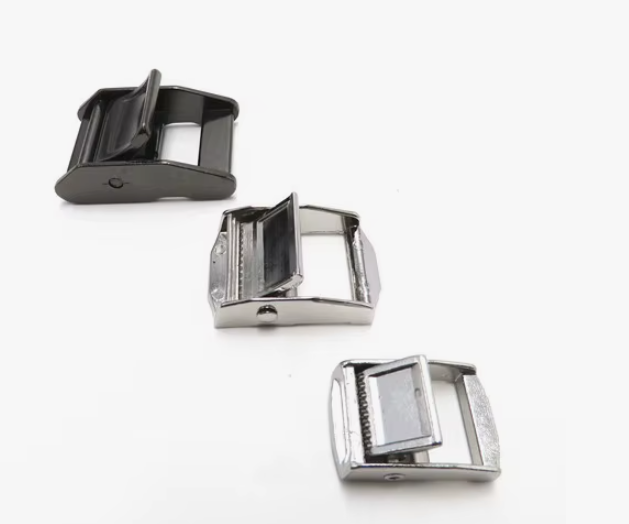
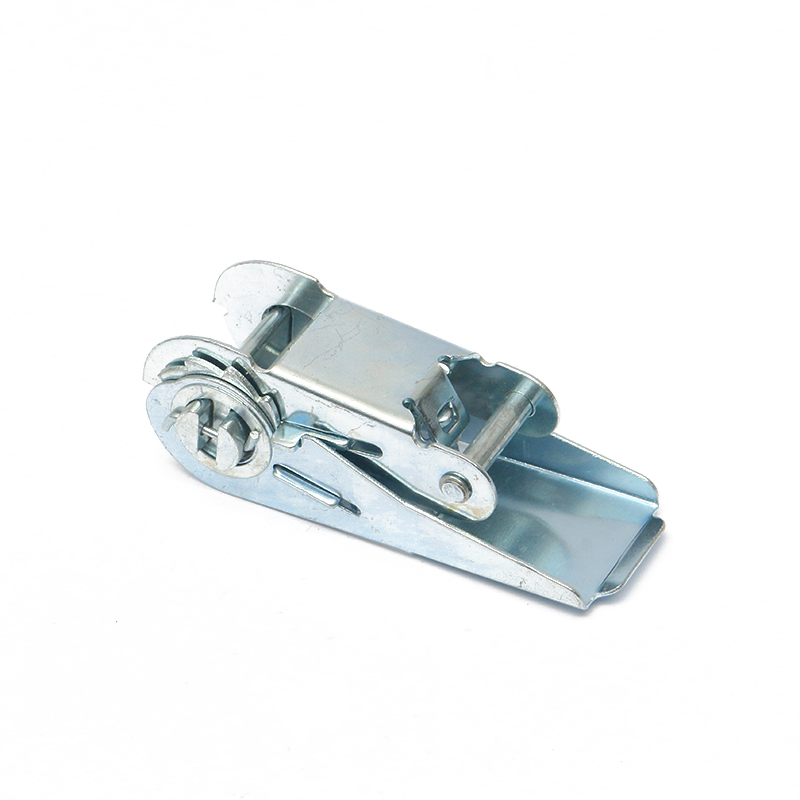
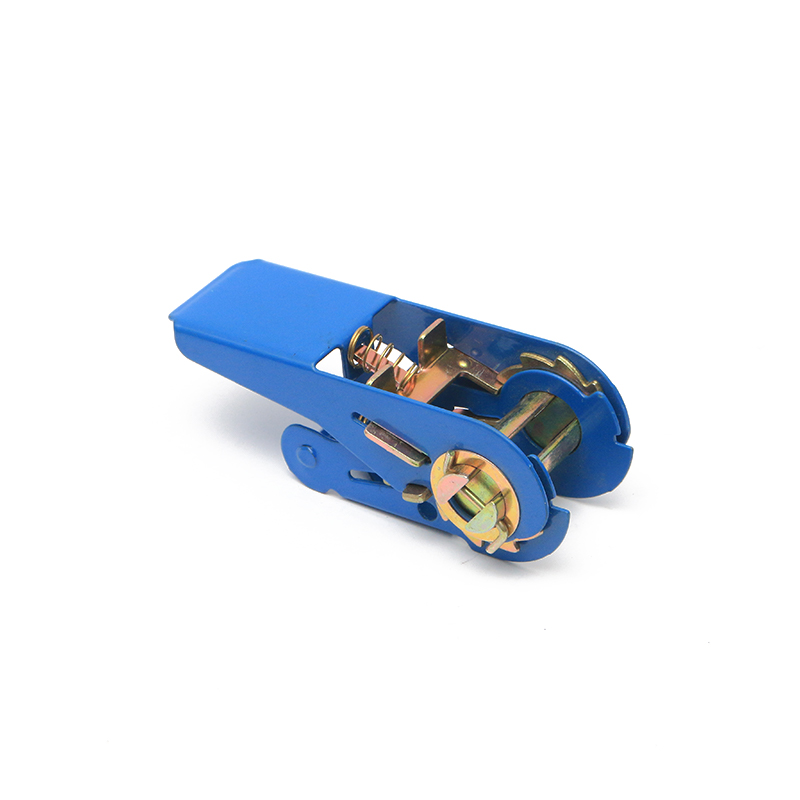
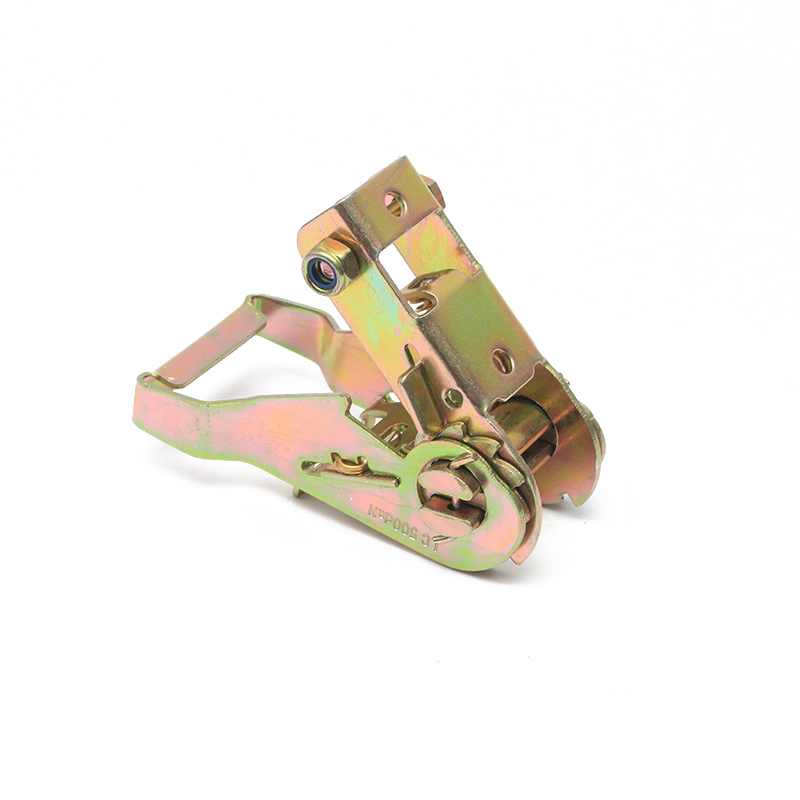
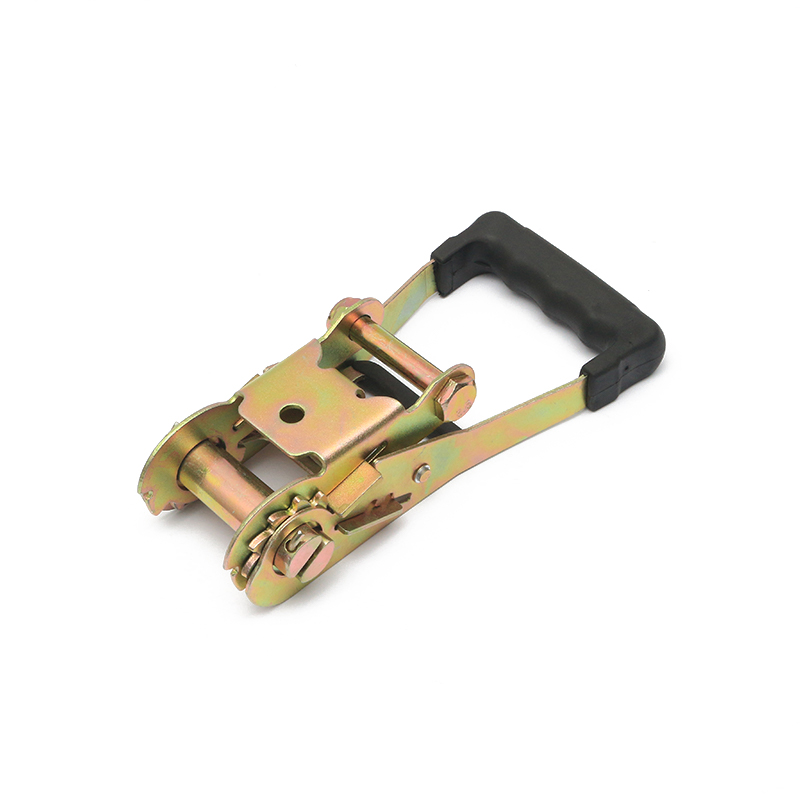
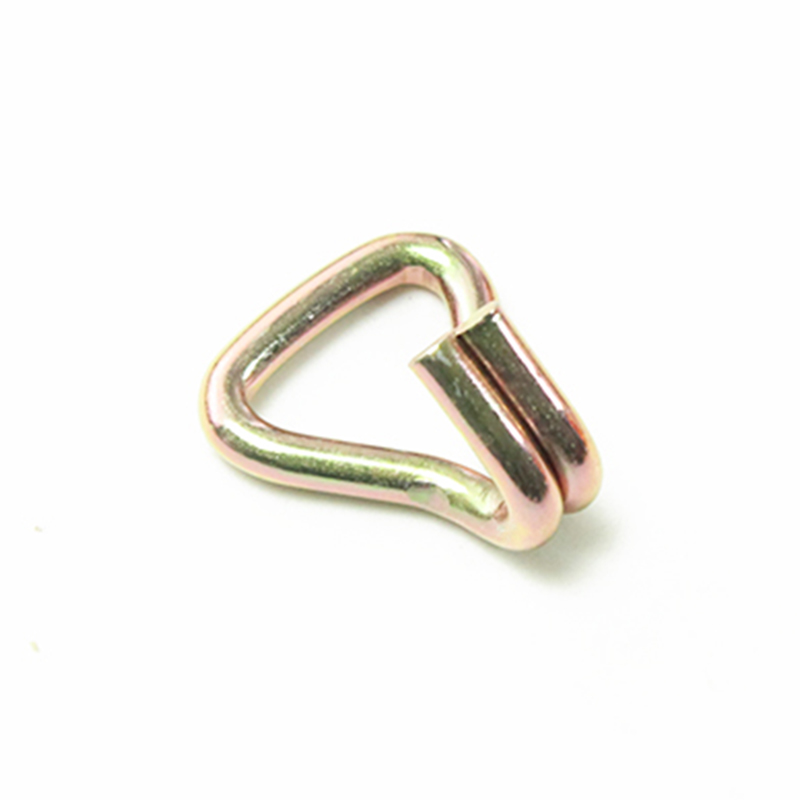
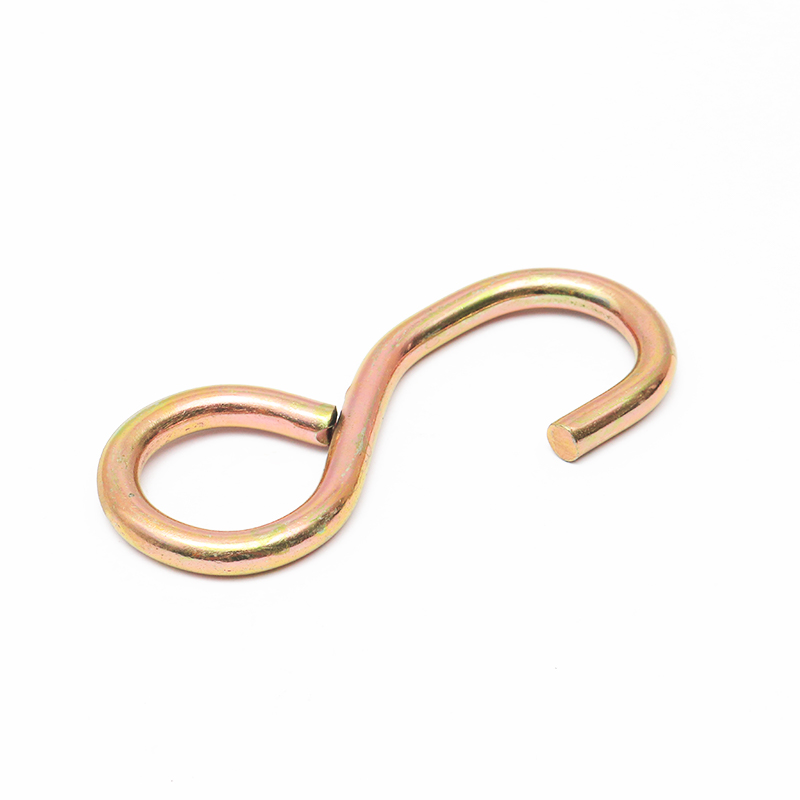
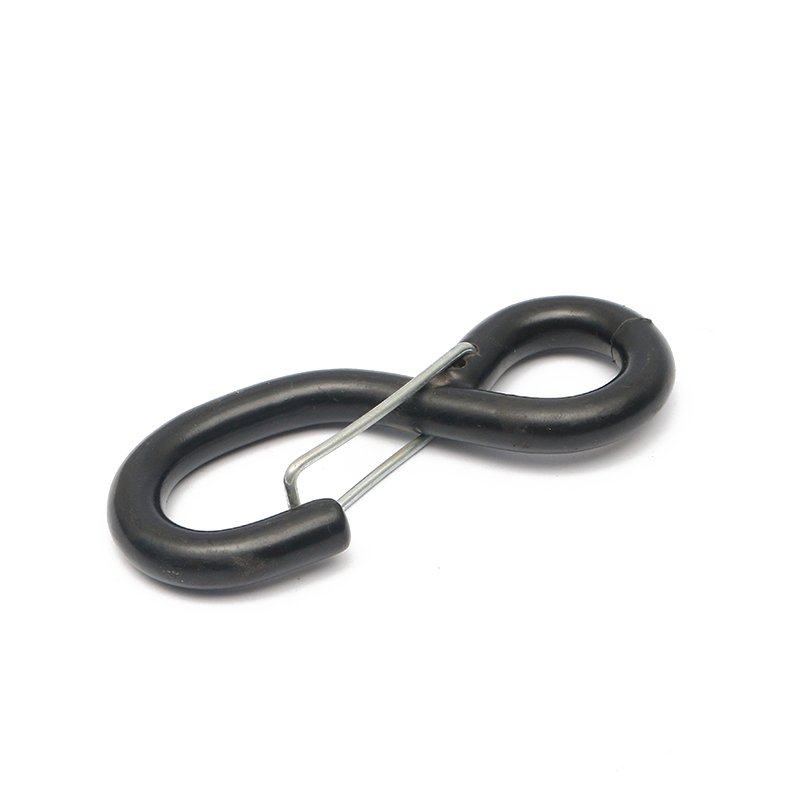
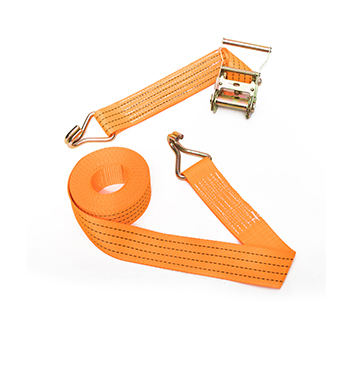
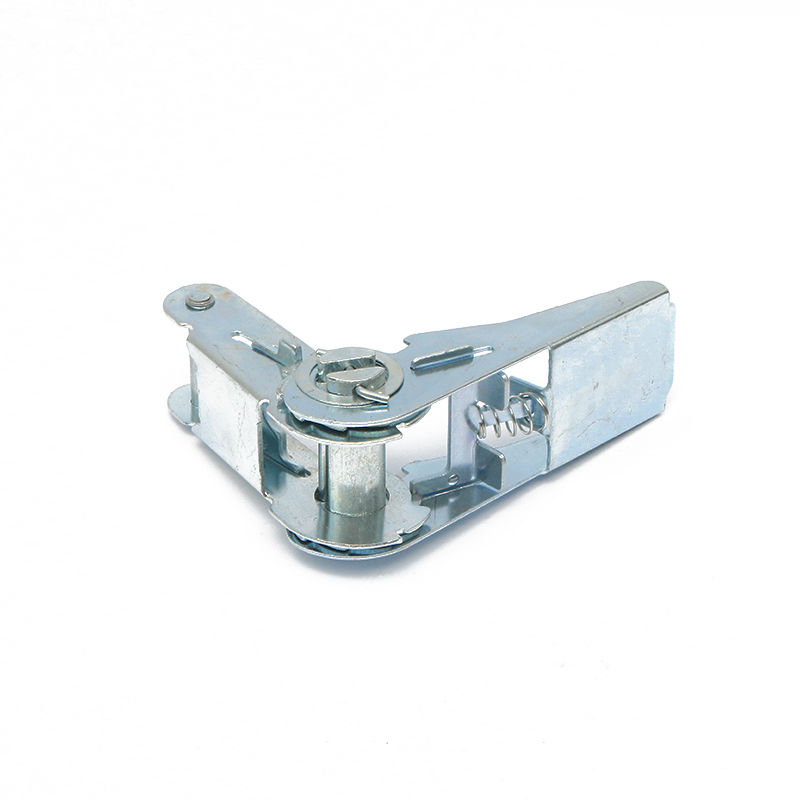
Metal ratchet buckles are common fastening and locking tools widely used in transportation, industrial equipment, automobiles, aviation, and various scenarios in daily life. Their working principle relies on a ratchet and gear mechanism, which maintains a locked state when force is applied, preventing loosening or slipping. Therefore, correctly using a metal ratchet buckle not only improves work efficiency but also ensures operational safety.
This article will guide you on how to correctly use a metal ratchet buckle, ensuring its optimal performance and avoiding common operational errors.
1. Basic Structure and Working Principle of a Metal Ratchet Buckle
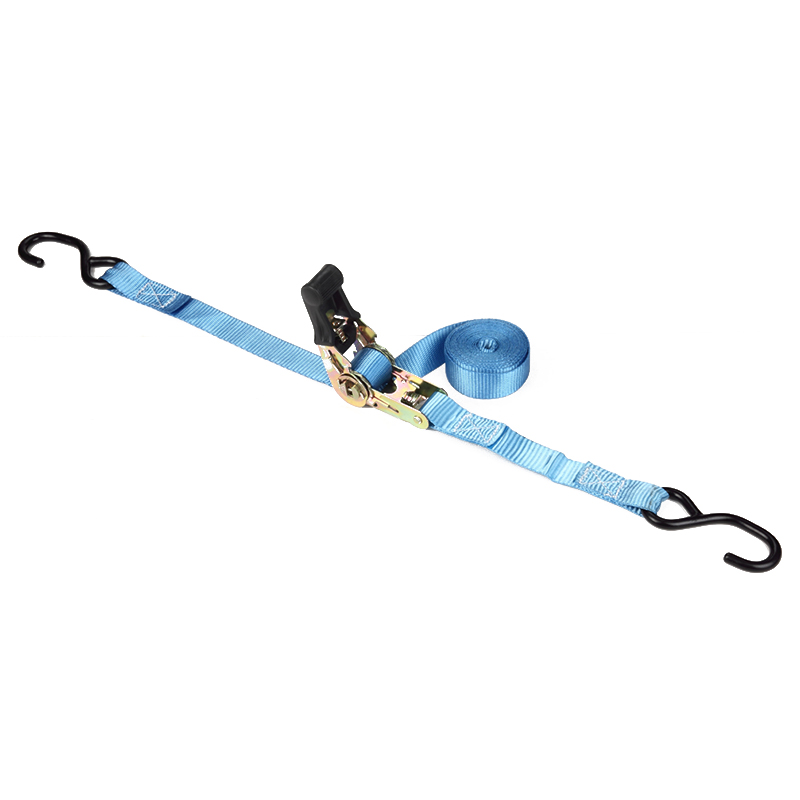
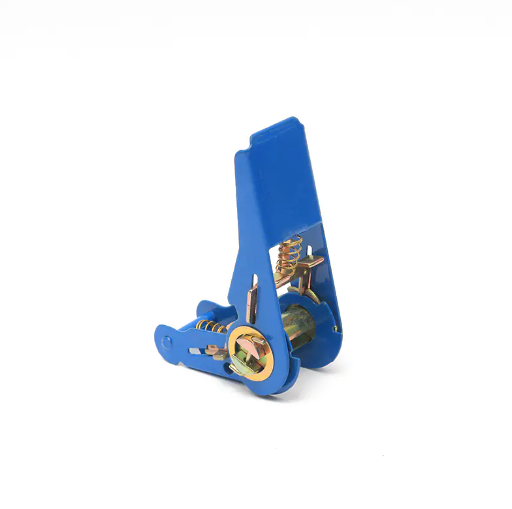
Before learning how to correctly use a metal ratchet buckle, it's essential to understand its structure and working principle. A metal ratchet buckle typically consists of the following parts:
Ratchet: The ratchet is the core component of the ratchet buckle. Its gear shape determines the locking and unlocking direction. By rotating, the ratchet locks the corresponding gear, preventing it from rotating in the opposite direction.
Locking Mechanism: The locking mechanism of the metal ratchet buckle fixes the object when pressure is applied and prevents it from loosening. The engagement of the ratchet and the interaction of the gears ensure a secure fixing force.
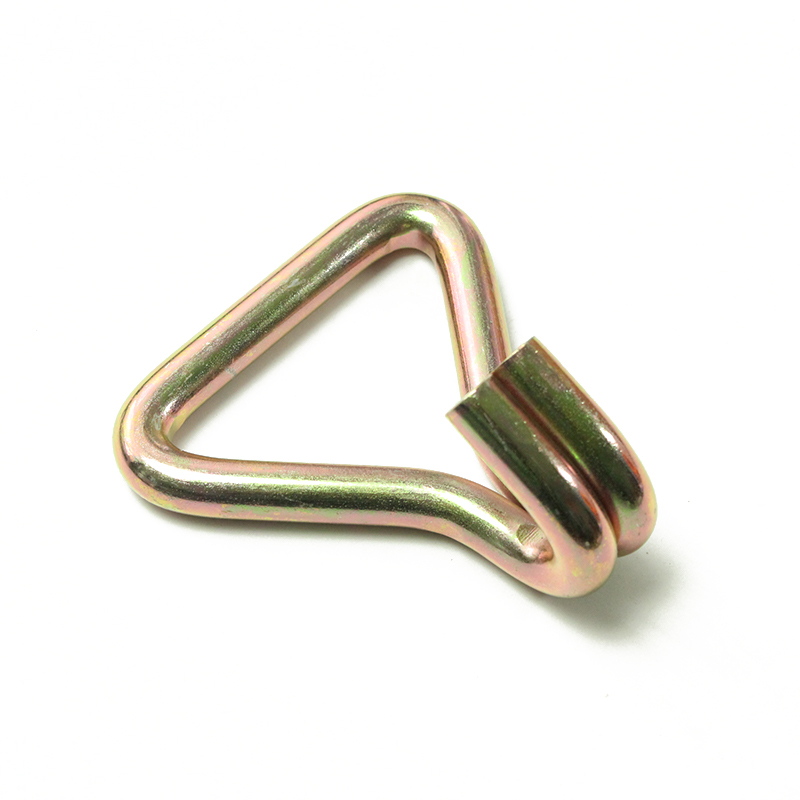
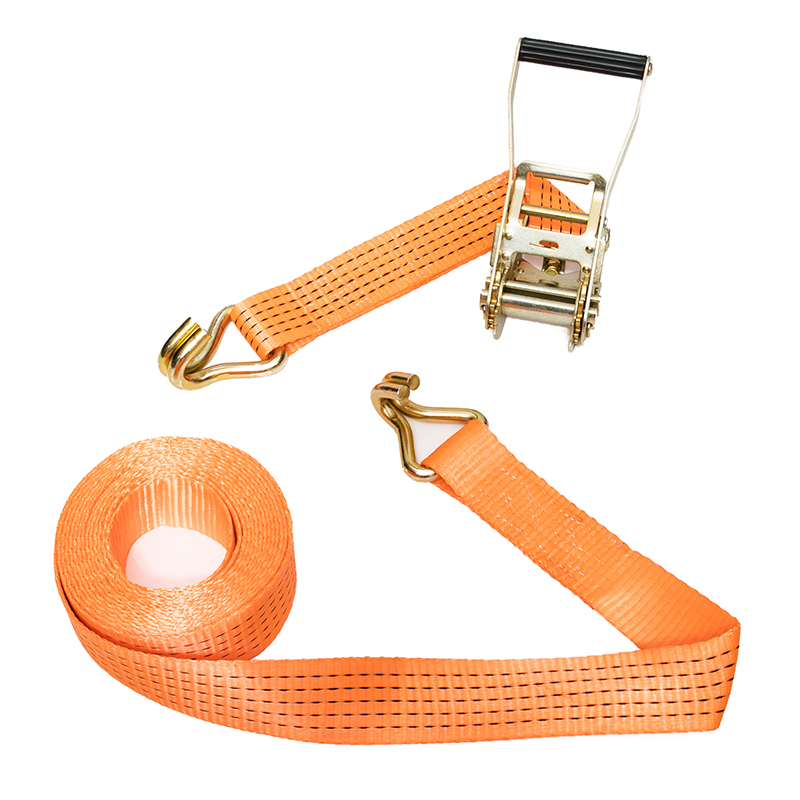
Strap or Steel Band: Metal ratchet buckles are usually used in conjunction with straps or steel bands to secure goods or other objects. By rotating the ratchet, the strap is tightened, thus achieving a fixing effect.
Locking Device: Some metal ratchet buckles are equipped with a locking device to prevent accidental loosening or slipping.
2. How to Use a Metal Ratchet Buckle Correctly?
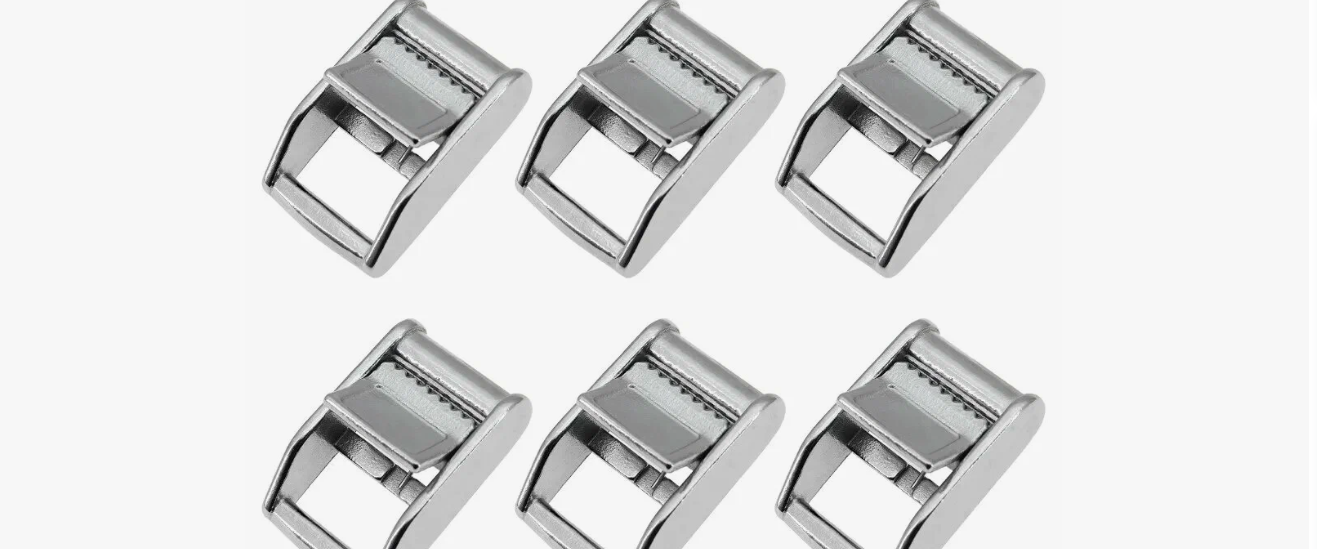
Correctly using a metal ratchet buckle not only ensures smooth operation but also improves the securing effect of equipment and items. The following are some basic steps and precautions for using a metal ratchet buckle:
(1) Check the Condition of the Metal Ratchet Buckle
Before each use, be sure to check that all parts of the metal ratchet buckle are in good condition. In particular:
Ratchet Gears: Ensure that the ratchet gears are not worn or damaged. If the gears are damaged, the ratchet may not engage effectively, affecting the locking effect.
Locking Device: Check that the locking device is working properly and can smoothly engage and securely lock the ratchet. Steel Strap or Webbing: Confirm that the strap is not worn or broken, and ensure its strength is sufficient to handle the load.
(2) Correct Installation of the Ratchet Buckle
When securing the metal ratchet buckle in the desired position, first ensure that the strap or steel band can pass smoothly through the fixing point. The installation steps are as follows:
Securing one end of the ratchet buckle: First, connect one end of the metal ratchet buckle to the target object through a suitable hook, hole, or fixing point.
Tightening the strap: Tighten the steel strap or webbing of the ratchet buckle by hand, ensuring there is no slack or gap. At this point, the ratchet should be in the release state to begin tightening.
Rotating the ratchet: Begin rotating the ratchet to further tighten the strap through the ratchet mechanism. Usually, rotating clockwise will tighten the strap more securely.
(3) Ensuring the Locking Effect
After tightening the strap, continue rotating the ratchet a few more times until the object is completely secured and shows no signs of loosening. At this point, check that the locking mechanism is fully engaged in the ratchet to ensure it does not easily come loose.
Checking the tightness: If the strap is too tight or the object is compressed too much, it may cause damage to the equipment or object. Adjust the tightness as needed to ensure the object is secured within a safe range.
Manual testing: Gently pull on the object or fixing point to ensure the metal ratchet buckle is securely locked and the object will not come loose due to external forces.
(4) Removing the Ratchet Buckle After Use
After completing the task, correctly removing the metal ratchet buckle is equally important. The following are the removal steps:
Releasing the ratchet locking mechanism: Release the tension on the securing strap by rotating the ratchet counterclockwise. At this point, the strap can be easily loosened.
Carefully removing the strap: Ensure that the strap does not suddenly loosen or slip when removing the ratchet buckle to avoid injury to the operator. Slowly loosen the strap, ensuring complete release.
Cleaning and inspection: After each use, clean any dirt and debris from the ratchet buckle, especially the gear parts, to prevent affecting smooth operation during the next use. Regularly check that the ratchet buckle is functioning correctly and perform maintenance as needed.
3. Common Misconceptions about Metal Ratchet Buckles
When using metal ratchet buckles, many people may fall into some common misconceptions, leading to poor performance or safety hazards. Here are some common misconceptions to avoid:
(1) Overtightening
Although metal ratchet buckles can provide strong tension, overtightening can damage items or equipment. Especially when transporting goods, excessive tightening force may cause deformation or damage to the items, so the tension should be adjusted according to actual needs.
(2) Neglecting Inspection
Failing to conduct a thorough inspection before use is another common mistake. It is crucial to check that all parts of the metal ratchet buckle are in good condition, especially that the ratchet and locking mechanism are working properly. Any damaged parts will affect the locking effect and safety of the ratchet buckle.
(3) Inappropriate Usage Environment
Metal ratchet buckles are generally used in high-load environments, but if the usage environment exceeds their load capacity, it may lead to buckle failure. Choose a ratchet buckle of the appropriate specifications and avoid using it in overloaded or extreme environments.
4. Maintenance and Care of Metal Ratchet Buckles
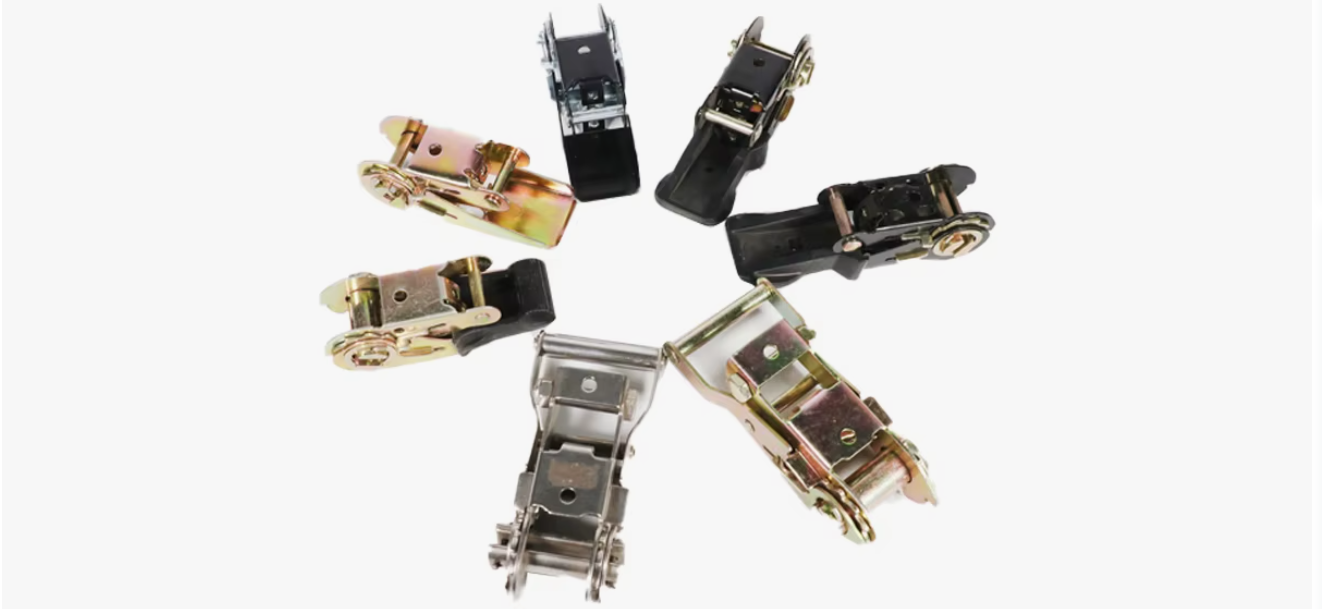
To ensure that metal ratchet buckles maintain good performance during long-term use, regular maintenance and care are very important:
Regular Cleaning: After use, regularly clean the metal ratchet buckle to remove dust, oil stains, and dirt from the surface to prevent them from affecting operation.
Inspection and Lubrication: Regularly inspect the gear parts of the ratchet, and lubricate them with appropriate lubricating oil when necessary to prevent excessive friction from causing wear and tear.
Avoid Exposure to Humid Environments: Metal ratchet buckles should avoid prolonged exposure to humid or corrosive environments to prevent rust or corrosion, which can affect their service life.
Proper use of metal ratchet buckles is a key step in ensuring the secure and safe fastening of items. From installation and tightening to removal, every step requires attention to detail. Avoiding common misconceptions such as overtightening and neglecting inspection, and performing regular cleaning and maintenance after use, will greatly extend the service life of the metal ratchet buckle and ensure operational safety.

 EN
EN  中文简体
中文简体 Español