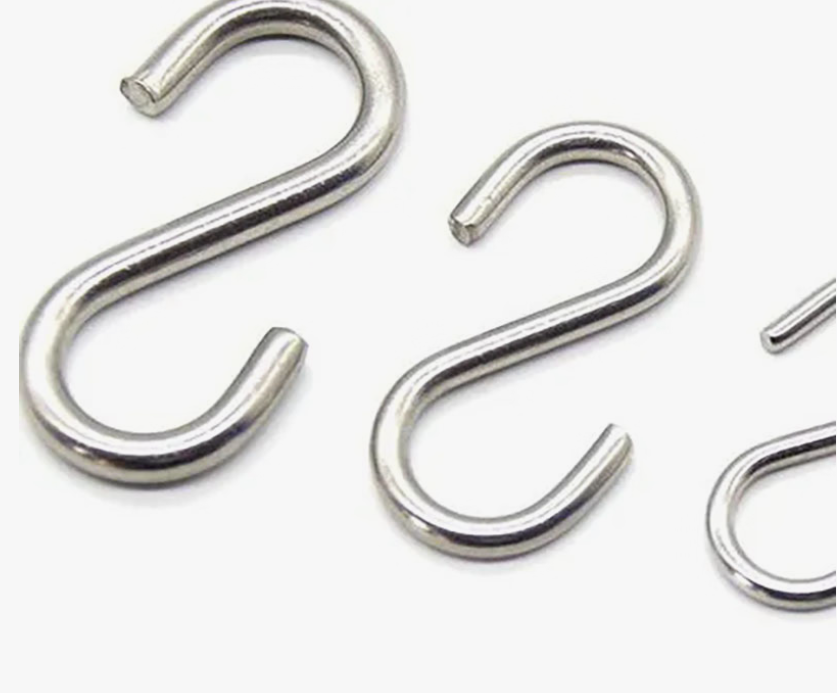
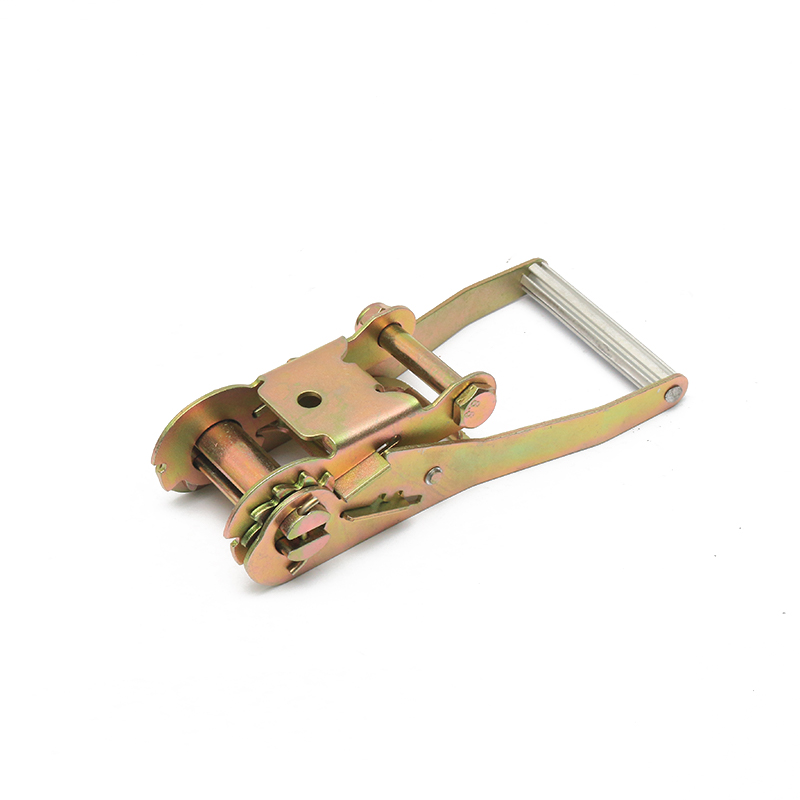
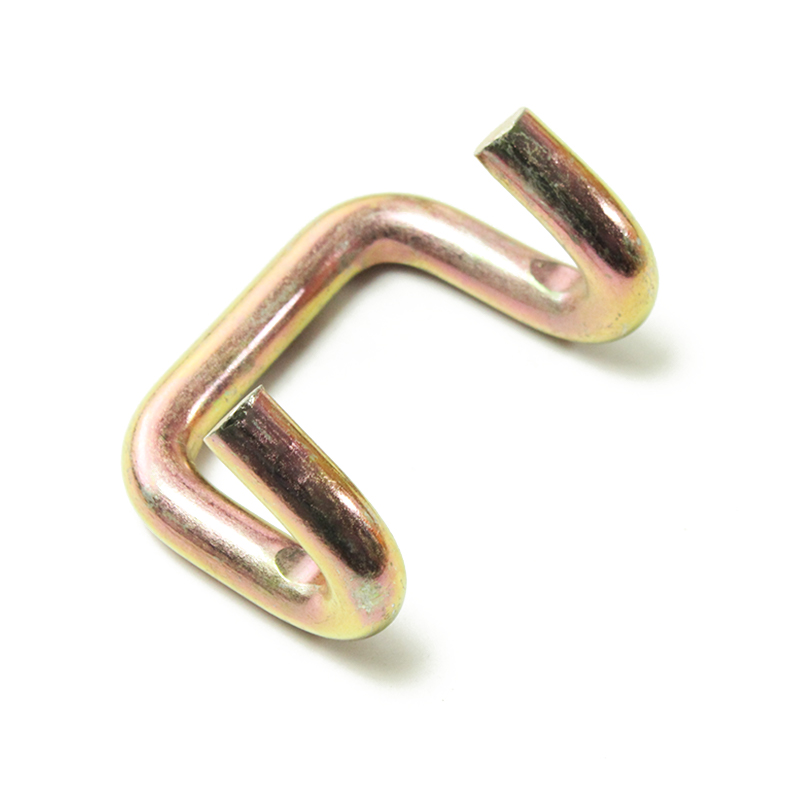
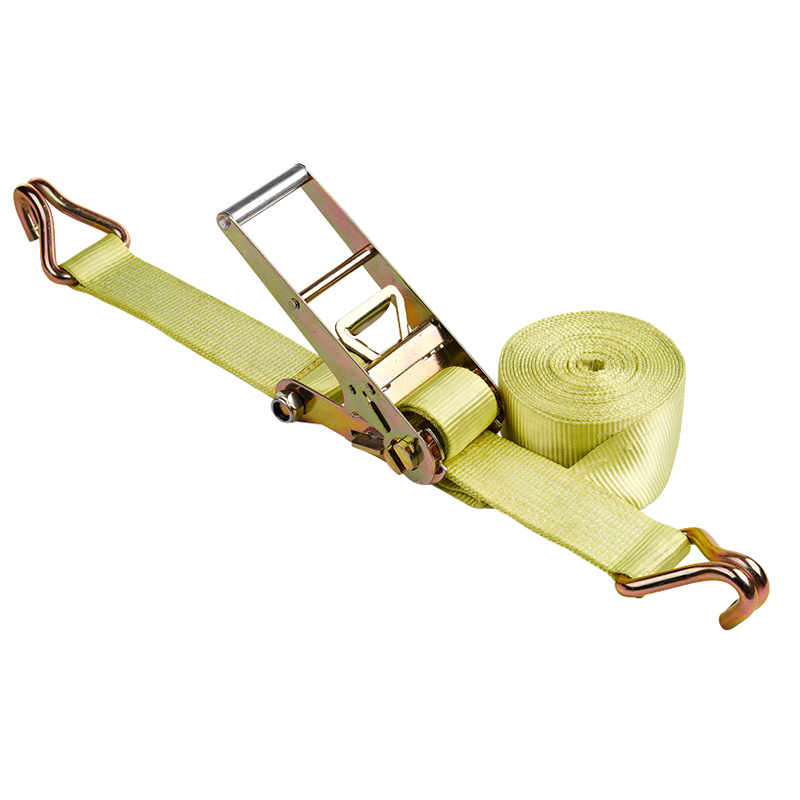
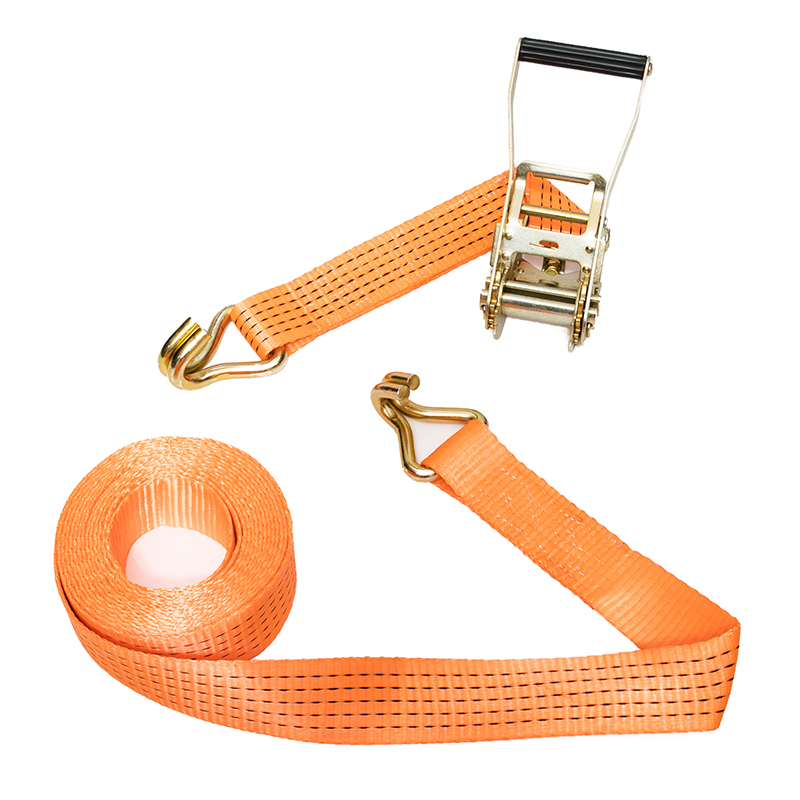
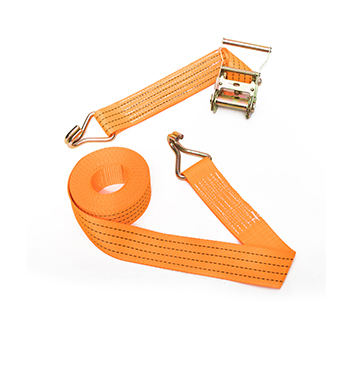
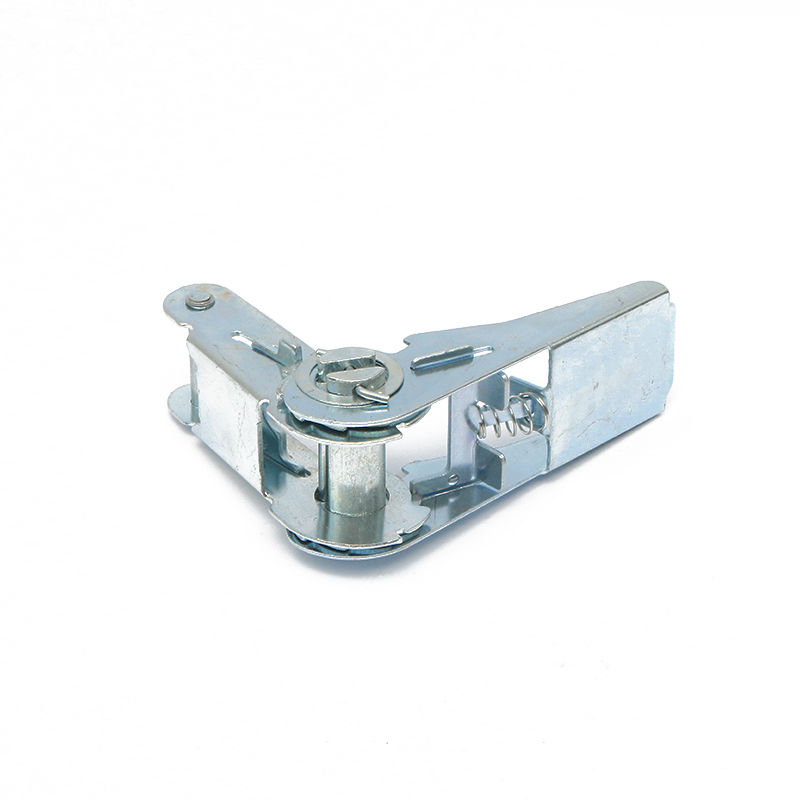
Metal hooks are common hardware accessories widely used in various settings such as homes, offices, shops, and workshops. Whether it's coat hooks on the wall, hooks for organizing tools in a workshop, or hooks for hanging curtains and shower curtains, metal hooks provide strong support and convenient use. However, despite their sturdy material, metal hooks can still have their lifespan reduced due to oxidation, corrosion, or damage if not properly maintained. So, how can you maintain metal hooks to extend their lifespan? This article will provide you with a detailed explanation.
1. How to Maintain Metal Hooks?
(1) Regularly Clean Metal Hooks
Metal hooks are often exposed to air, moisture, and dust, and can easily accumulate dirt or rust after prolonged use. Regularly cleaning metal hooks prevents dirt buildup and removes surface oxides, thus maintaining their good appearance and function.
Cleaning Method: You can clean metal hooks with a soft cloth and a neutral detergent, avoiding the use of acidic or highly corrosive cleaning agents, which helps protect the metal surface. After cleaning, rinse the hooks with water and dry them with a dry cloth.
Removing Rust Stains: For hooks with slight rust stains on the surface, you can gently wipe them with fine sandpaper or a wire brush, and then wipe them clean with a cloth. If the corrosion is severe, you can use a specialized rust remover.
(2) Avoid Humid Environments
Metal hooks are susceptible to moisture, especially in humid environments. Prolonged exposure to water vapor or liquids can cause the metal surface to rust or corrode. Therefore, keeping metal hooks in a dry environment is key to extending their lifespan.
Avoid Contact with Water: When using metal hooks in humid places such as bathrooms or kitchens, it is recommended to choose metal materials with stronger waterproof properties, such as stainless steel. Alternatively, regularly check the hooks for rust and clean them promptly.
Use Moisture-Proof Tools: You can place moisture-proof bags or desiccants on the back of the hooks to reduce the impact of surrounding moisture on the metal hooks.
(3) Avoid Overloading
Although metal hooks usually have a high load-bearing capacity, hanging excessively heavy items for a long time may cause the metal to deform or the hooks to detach. Excessive load can also accelerate wear or damage to the metal surface.
Distribute the load reasonably: Based on the material and design of the hook, distribute the weight of the items hung on the hook appropriately. For large items, choose specialized high-load-bearing hooks to avoid overloading.
Check the load capacity: Before using metal hooks, understand their maximum load capacity to ensure that the hooks can support the items being hung.
(4) Avoid scratches and impacts
If the surface of a metal hook is scratched or impacted, it will not only affect the appearance but may also damage the surface coating, exposing the metal and accelerating oxidation and corrosion. Try to avoid metal hooks colliding with or being scratched by hard objects.
Use with caution: Avoid hanging hard objects directly on the hook, especially sharp objects, to prevent scratching the metal surface.
Protect the coating: If the hook surface has paint or a coating, ensure the coating is intact to prevent scratches that expose the metal. Consider wrapping the items hung on the hook with a soft cloth to reduce scratching.
(5) Regularly check the stability of the hook
Regularly check the stability of the hook, especially hooks installed on walls, doors, or other surfaces. Over time, hooks may loosen due to frequent pulling, hanging heavy objects, etc.
Check screws and fasteners: Check that the hook is secure and that all screws, hooks, or fasteners are not loose. If looseness is found, refix or replace the hook promptly.
Check the wall or supporting object: Regularly check the surface to which the hook is fixed for cracks or wear. If there is damage, it needs to be repaired or reinstalled.
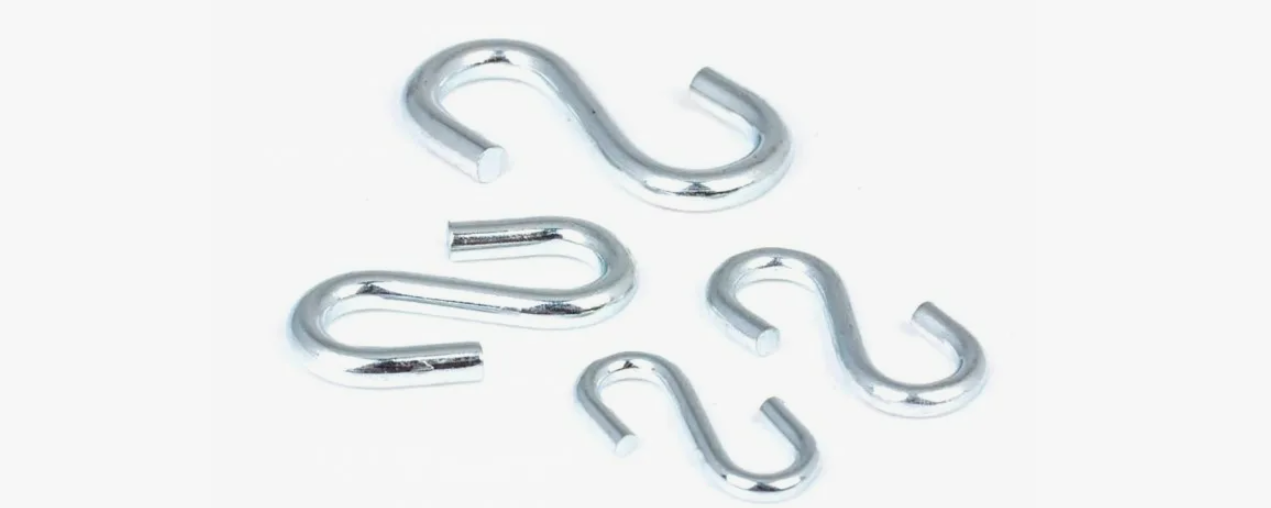
(6) Choose appropriate metal materials
Different metal materials have different corrosion resistance. Choosing materials with strong corrosion resistance can not only extend the service life of metal hooks but also reduce the frequency of daily maintenance. Common corrosion-resistant metal materials include stainless steel, brass, and zinc alloy.
Stainless steel: Strong corrosion resistance, suitable for humid environments such as bathrooms or kitchens.
Brass: Has good oxidation resistance, suitable for outdoor environments.
Zinc alloy: Usually has high strength and good corrosion resistance, suitable for general indoor environments.
2. Frequently Asked Questions (FAQ)
Q1: How much weight can a metal hook support?
A1: The weight capacity of a metal hook depends on its material and design. Ordinary metal hooks generally have a weight capacity of 2-10 kilograms, but specially designed heavy-duty hooks can support heavier items. When purchasing, you should check the product specifications to ensure its weight capacity meets your needs.
Q2: How do I remove rust from a metal hook?
A2: You can use fine sandpaper, a wire brush, or a specialized rust remover to clean rust stains. For minor rust, you can use a mixture of vinegar or baking soda and water to gently wipe the metal surface to remove the rust. After removing the rust, make sure to thoroughly dry the hook and apply a rust-proof coating.
Q3: How do I install a metal hook?
A3: Installing a metal hook usually requires drilling holes and using screws to fix the hook to the wall, door, or other surface. Choose appropriate screws and fasteners to ensure the hook is securely attached. For those without experience, professional help is recommended.
Q4: Can metal hooks be used outdoors?
A4: Yes, but you need to choose corrosion-resistant metal materials suitable for outdoor use (such as stainless steel or brass). Outdoor environments with moisture, temperature changes, and wind and sand can accelerate the aging of metal hooks, so regular cleaning and maintenance are necessary.
Q5: How do I prevent scratches on the surface of a metal hook?
A5: Avoid direct contact with sharp objects when using metal hooks. You can apply soft pads or protective film to the hook surface to prevent scratches. If scratches appear on the hook surface, repair them promptly to prevent the exposed metal from corroding.

 EN
EN  中文简体
中文简体 Español